Free, no obligation.
Buy EV Chargers in South Africa 2026 - Home Wallbox & 7kW/22kW Compared
Compare and buy home EV chargers for South Africa - Wallbox Pulsar Plus 7.4kW and Zaptec Go 22kW. 7kW single-phase and 22kW three-phase wall boxes from R12,000.
Get EV charger installation quotes for your home
Tell us your setup. We help you compare quotes and introduce you to the installer.
No spam. No obligation. Free, no-obligation quotes first.
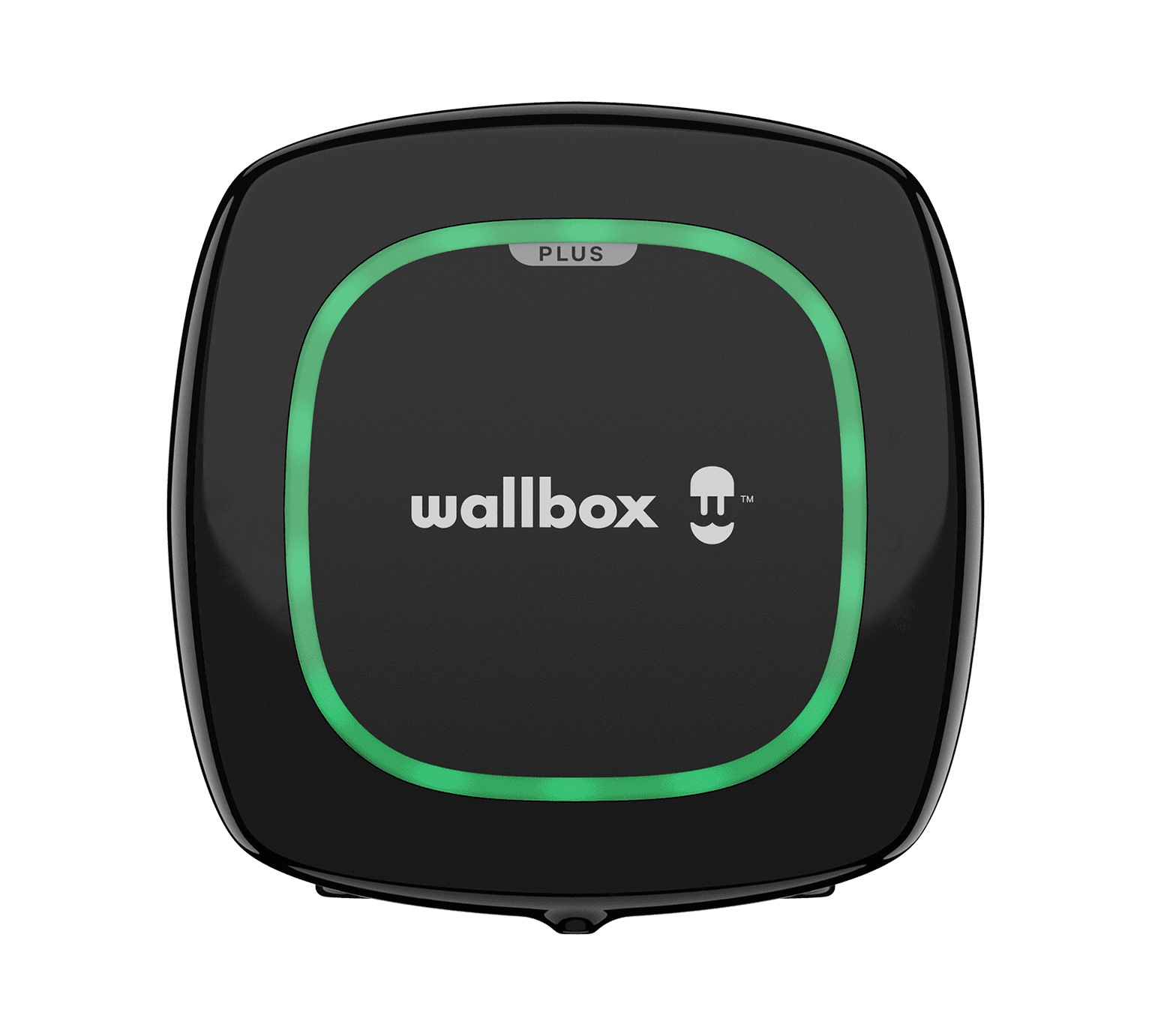
A dedicated home EV charger (also called a wall box or Level 2 charger) charges your electric vehicle 3-5x faster than the portable plug-in cable that ships with the car, and does it safely on a properly protected circuit. As EV sales climb in South Africa - the BMW iX, Volvo EX30, GWM Ora, BYD Dolphin and Mercedes EQ range are all now on local roads - a home charger has become the single most important accessory for living with an EV. We only list chargers whose manufacturer still makes and supports them and that you can actually buy here: the smart single-phase Wallbox Pulsar Plus 7.4kW and the fast three-phase Zaptec Go 22kW.
Home EV chargers compared
| Charger | Power | Best for | Price (unit) |
|---|---|---|---|
| Wallbox Pulsar Plus 7.4kW | 7.4kW single-phase | Smart app control & solar surplus charging | R12,000-R16,000 |
| Zaptec Go 22kW | 22kW three-phase | Fastest home charging (120km/hr) | R15,000-R22,000 |
7kW single-phase vs 22kW three-phase - which do you need?
Most South African homes have a single-phase supply, which caps AC charging at 7.4kW - enough to add roughly 40km of range per hour and fully charge almost any EV overnight. A 22kW three-phase charger like the Zaptec Go only delivers its full speed if your home has a three-phase connection and your car's onboard charger accepts 11-22kW (many cap at 7-11kW). For the vast majority of homeowners, a 7kW single-phase wall box is the right, cost-effective choice.
Charging your EV from solar and through load shedding
An EV is a large load - a full charge is 40-80kWh, roughly a week's electricity for a typical home - so pairing charging with solar is what keeps running costs near zero. Load shedding makes a solar-aware EV charger especially valuable: smart chargers like the Wallbox Pulsar Plus can throttle to your solar surplus, so your car tops up on free daytime energy instead of grid power. To charge meaningfully from solar you generally want a larger array plus a hybrid system - see our solar inverters and solar batteries, or shop matched solar power kits. Our guide to sizing a solar system for an EV walks through the numbers.
Working out the full installed price, not just the unit cost? Our EV charger cost & installation guide breaks down what installation adds on top - dedicated circuit, isolator and Certificate of Compliance - and what pushes that price up or down.
Quick tip: For most SA homes a 7kW single-phase wall box (from R12,000 for the Wallbox Pulsar Plus) fully charges an EV overnight - only choose a 22kW three-phase unit if you have three-phase power and a car that accepts it. Pick a solar-aware smart charger to charge from your own panels.
Helpful guides & comparisons
EV Charger Cost & Installation Guide 2026
Unit price vs installation cost, and what drives installation price up
Read guide →Solar System for an EV - Sizing Guide
How big a solar system you need to charge an electric car in SA
Read guide →Best Solar Batteries for EV Charging 2026
Which batteries handle the heavy load of EV charging
Read guide →How Much Extra Battery for an EV?
Sizing battery storage to charge your EV through load shedding
Read guide →Inverter Sizing Guide 2026
Match inverter capacity to heavy loads like EV charging
Read guide →Frequently asked questions about ev chargers
How much does an EV charger cost in South Africa in 2026?
Do I need a special charger, or can I use the cable that came with my EV?
What is the difference between a 7kW and 22kW EV charger?
Can I charge my electric car with solar panels in South Africa?
Does an EV charger work during load shedding?
How long does it take to charge an EV at home?
Which EV charger is best for South African homes?
Independent reviews
Unbiased expert ratings based on real-world testing and user feedback
SA pricing
Up-to-date prices from trusted South African retailers in Rands
Community feedback
Independent, honest assessments from our editorial team