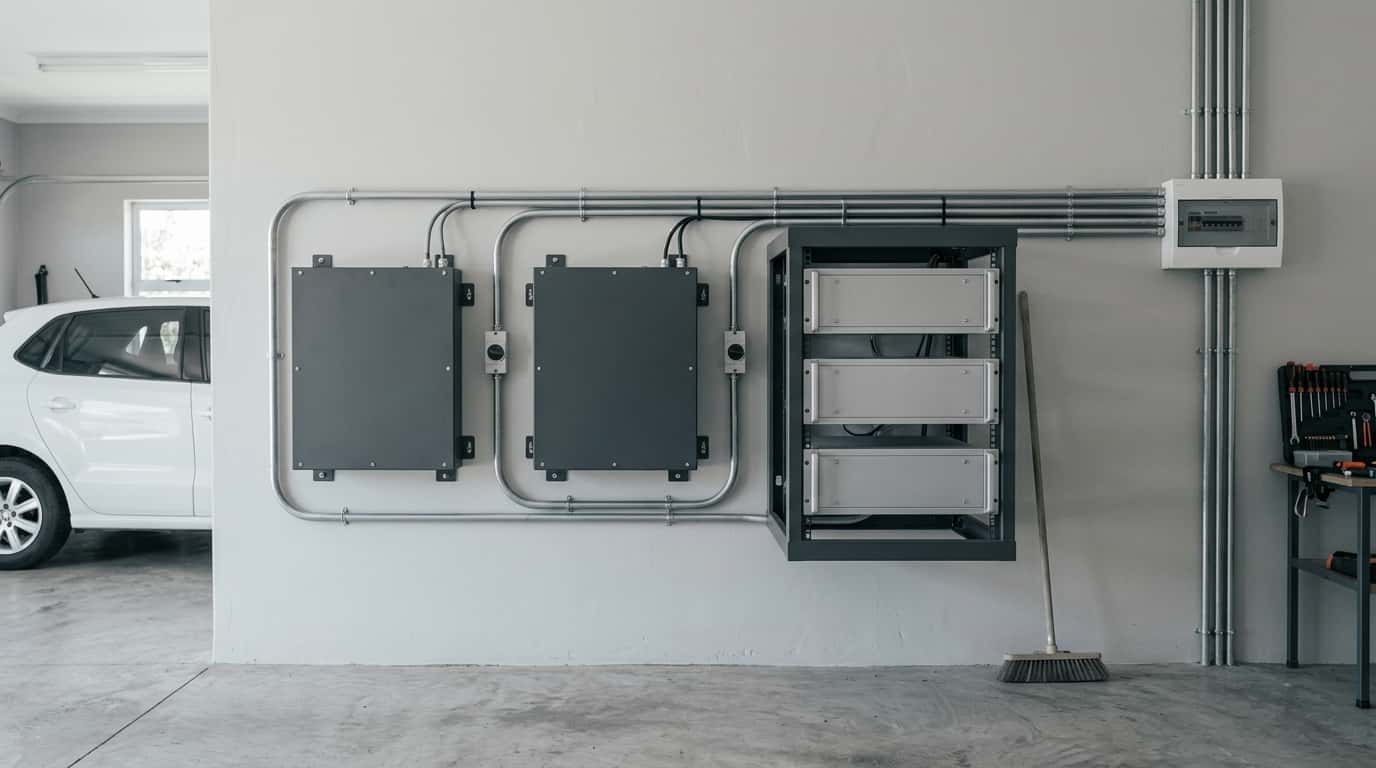
The best solar batteries in South Africa are 48V LiFePO4 (lithium iron phosphate) units. For 2026 the standout brands are Freedom Won, Hubble, Solar MD and Dyness, with Pylontech and BYD strong on modular and high-voltage builds. A 5kWh LiFePO4 battery costs about R21,500 to R28,000, before installation.
Best solar batteries in South Africa, ranked for 2026:
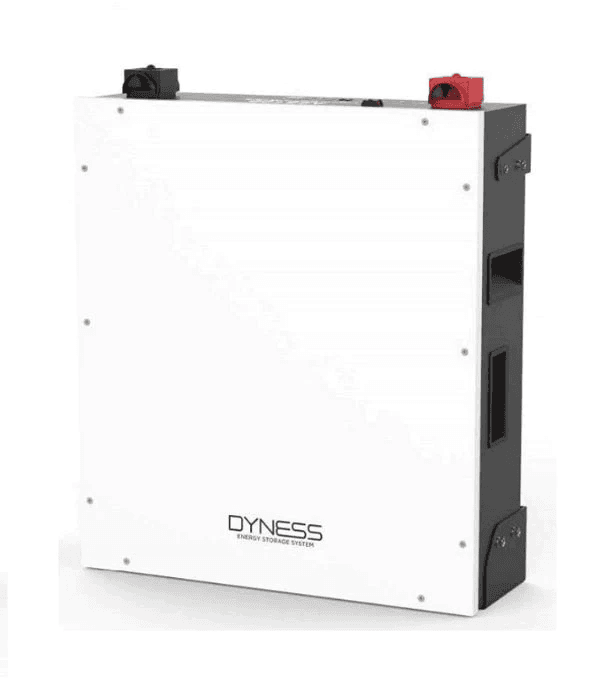
- Dyness DL5.0C - best value, R24,000-R30,000 (5.12kWh), 10-year warranty, 6,000+ cycles, 90% DoD.
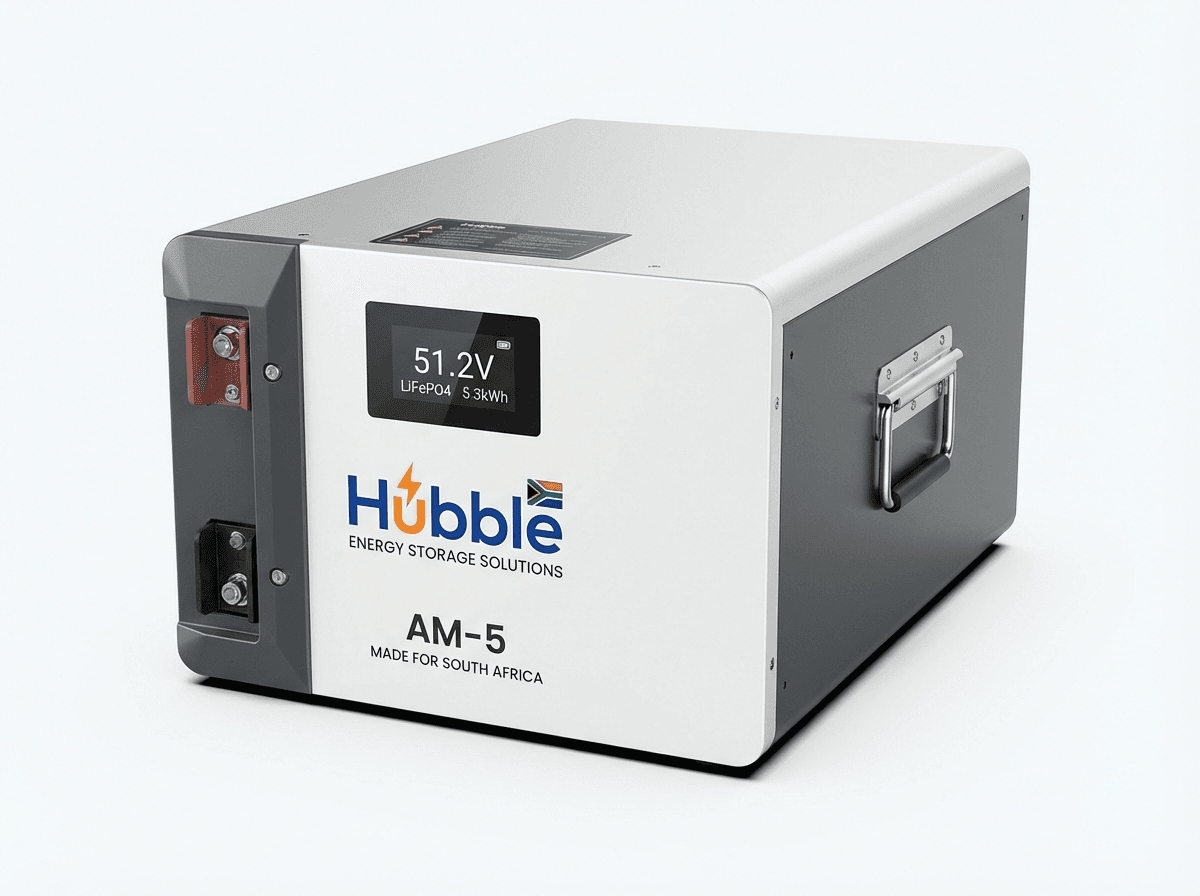
- Hubble AM-5 - best local (SA-made) support, R33,000-R40,000, 10-year warranty, 6,000+ cycles.
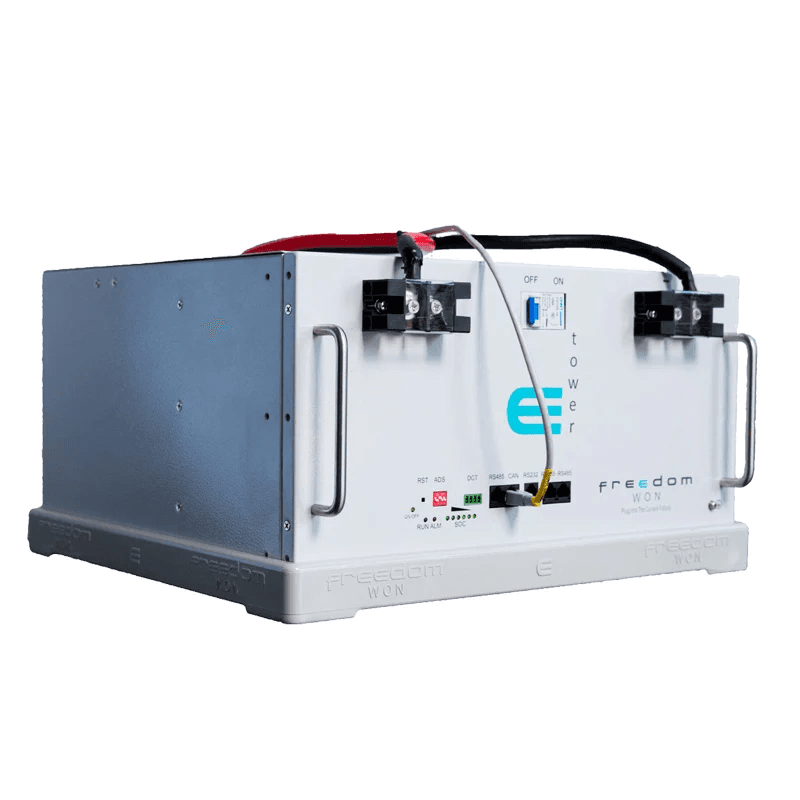
- Freedom Won eTower 5kWh - best premium build, R40,000-R48,000, 10-year warranty.
- Solar MD - premium SA-made, R30,000-R43,000, 10-year warranty.
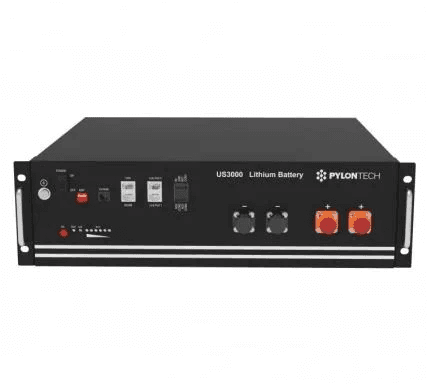
- Pylontech US3000C - best modular entry, R14,000-R18,000 (3.5kWh), 7-year warranty.
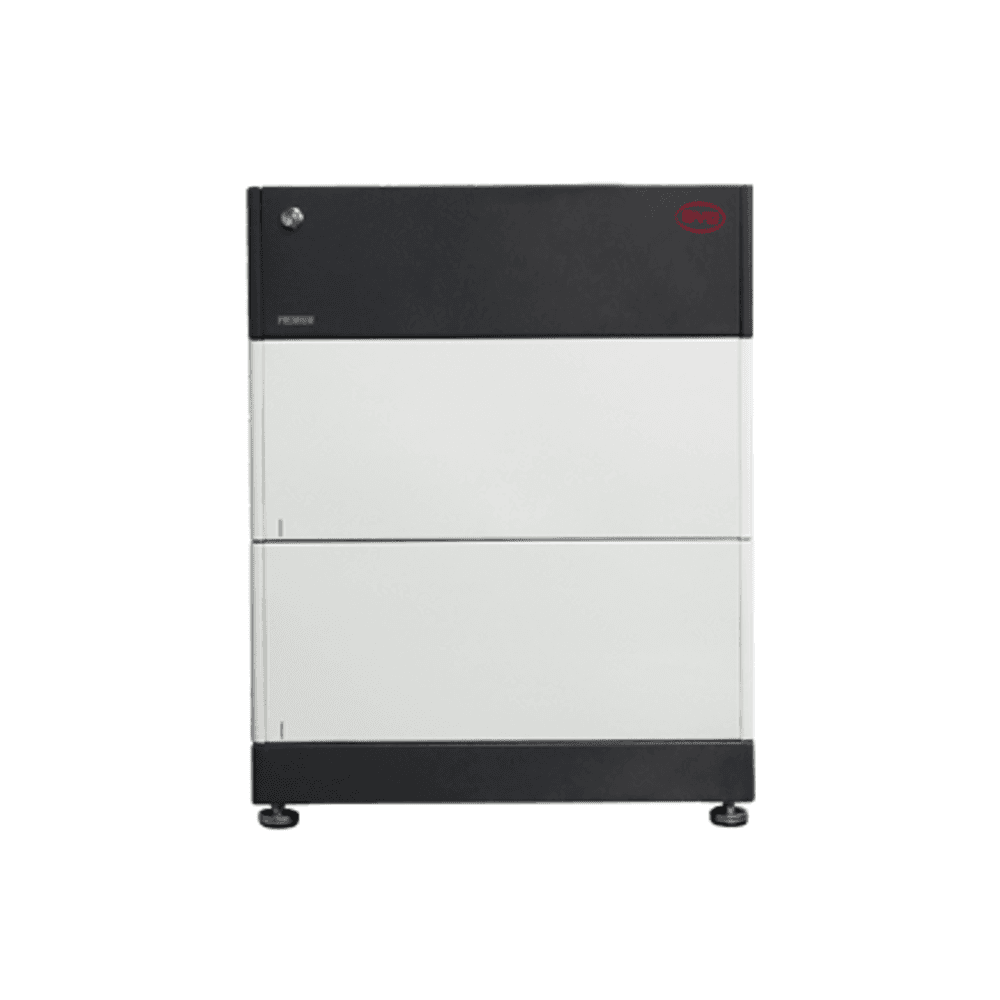
- BYD Battery-Box - best high-voltage premium, R42,000-R80,000+, 10-15 year warranty.
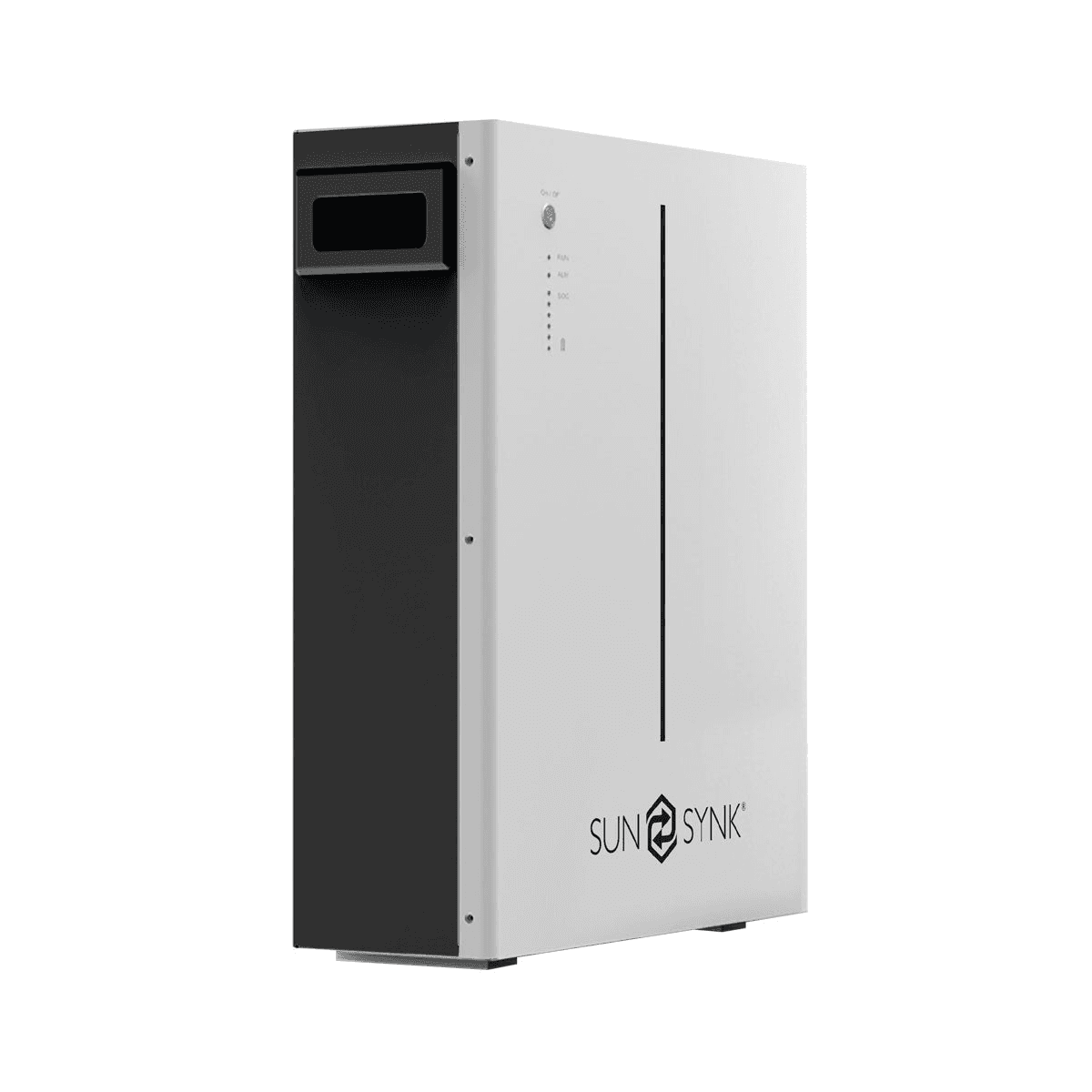
- Sunsynk L5.1 - best inverter-matched option, R28,000-R40,000, 10-year warranty.
Every pick is LiFePO4 and works with mainstream hybrid inverters - Sunsynk, Deye and Victron included. The one rule that matters most: match the battery's voltage and brand to your inverter before you buy, because an incompatible battery is worth nothing regardless of its specs.
At home I run a bank of five Pylontech UP5000s, about 24kWh nominal. They've been running for a number of years now with no problems. With that many batteries in one bank we needed a busbar to make it work. It wasn't as straightforward as the latest brands offer, but it still works.
The latest battery job I did for a client went a different way: a Fox ESS high-voltage battery. The cost per kWh was slightly higher than average, but in my view its efficiency gives a better long-term saving than a standard low-voltage battery. It depends on budget and what people can afford, but good battery technology is always a winner, because it will last that bit longer.
Below are the brands and prices, and then when I'd recommend a battery and when I wouldn't. - Neil Berrow
For reference: Pylontech's UP5000 datasheet rates each module at 4.8kWh nominal and 4.56kWh usable at 95% depth of discharge, so five modules give about 22.8kWh usable. A high-voltage battery like the Fox ESS needs an inverter built for high-voltage batteries. Most common hybrids in South Africa, such as Deye's low-voltage range, take 48V batteries, so check compatibility before you choose.
This 2026 guide compares the best solar batteries in South Africa - every option worth buying, ranked. Choosing the right solar battery is crucial for maximizing your solar investment. The market has exploded well beyond the household names - alongside Dyness, Hubble, Sunsynk, Freedom Won and Pylontech, brands like Deye, Volta, Greenrich, HinaESS, Shoto, Ecco and the plug-and-play EcoFlow are now serious options. We compare 14 solar battery brands available in South Africa - analysing reputation, technical specifications, warranty, depth of discharge, cycle life and pricing in Rand - to help you make an informed decision against your load-shedding and budget needs.
2026 Solar Battery Market at a Glance
Price Range (5.12kWh-class units)
- • Budget: R11,750 - R17,000 (Ecco, Shoto, HinaESS, Greenrich)
- • Mid-range: R17,000 - R34,000 (Volta, Dyness, Pylontech, Deye)
- • Premium: R33,000 - R48,000 (Hubble, Sunsynk, Freedom Won)
- • Luxury: R42,000+ (BYD)
- • Plug-and-play / no install: EcoFlow (premium per kWh)
Market Leaders (2026)
- • Most Popular: Dyness, Hubble, Sunsynk
- • Best Value: Dyness DL5.0C, Volta Stage 1
- • Best Budget + 10yr: HinaESS, Greenrich
- • Best Quality: Freedom Won, Solar MD, BYD
- • Best Support: Hubble, Sunsynk, Solar MD, Volta (local)
- • Best No-Install: EcoFlow (renters & apartments)
Note: Unless stated otherwise, all prices are for 5.12kWh-class LiFePO4 batteries (51.2V, 48V-class) including VAT. Installation and inverter compatibility costs extra. Prices vary by installer and region. EcoFlow units are a different (plug-and-play, all-in-one) product class - see its section below. For detailed cost-per-kWh analysis and total system pricing, see our Solar Battery Cost Guide.
If your electricity bill is R5,000+ a month, here is what you actually need
A bill in this range means a large household load, typically around 1,500 to 1,800 kWh a month. To meaningfully cut it with solar you are not looking at a single battery, you are looking at a system: enough panels to cover daytime use and charge storage, an inverter sized to your peak load, and a battery large enough to carry the evening.
As a starting point, a home at this bill level usually needs:
- • Inverter: 10kW hybrid
- • Battery storage: 14kWh
- • Solar panels: 22 · 13.6kW
Indicative installed cost for this configuration: from R137,000 to R161,000, depending on brand and roof.
Solar Battery Prices in South Africa by Capacity (2026)
In South Africa a 5kWh solar battery typically costs R21,500-R28,000, 10kWh R42,500-R56,500, 15-16kWh R66,000-R87,500, 20kWh+ R85,000-R112,500. Those are hardware prices for the battery itself, from live pricing on the 11 lithium batteries we stock - add R3,500-R8,000 for installation, wiring and the certificate of compliance.
| Storage | Typical price | Cheapest we stock | Quote |
|---|---|---|---|
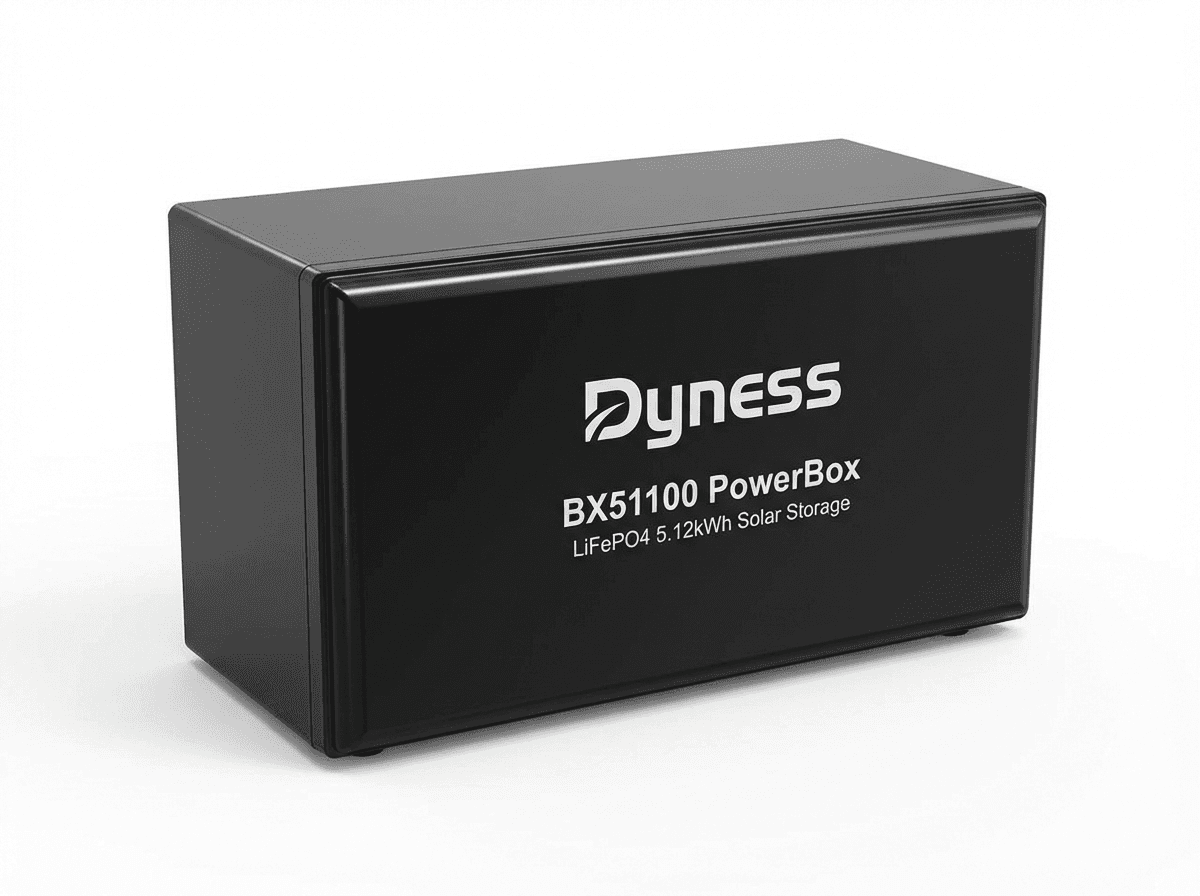
| 5kWhEssentials through one load-shedding slot - lights, Wi-Fi, fridge, TV | R21,500-R28,000 | R17,000 - Dyness BX51100 5.12kWh PowerBox | |
| 10kWhWhole-home overnight backup for a typical 3-bedroom house | R42,500-R56,500 | R34,000 - 2 x Dyness BX51100 5.12kWh PowerBox | |
| 15-16kWhLarger homes running a geyser, pool pump or air conditioning off battery | R66,000-R87,500 | R51,000 - 3 x Dyness BX51100 5.12kWh PowerBox | |
| 20kWh+Near-full backup, or riding out most evenings without touching the grid | R85,000-R112,500 | R68,000 - 4 x Dyness BX51100 5.12kWh PowerBox |
Storage above 10kWh is normally reached by stacking modular 48V units rather than buying one large battery - two 5kWh units give you 10kWh, three give you 15kWh - which also lets you start smaller and expand later. "Typical price" is the middle half of what a kWh of storage costs across our range; premium and high-voltage brands sit above it (a Freedom Won eTower or BYD HVS runs closer to R11,000 per kWh). The brand-by-brand prices further down this page show where each unit falls.
Ready to get a solar battery quote?
Get three free quotes from local installers. They'll match you with the right battery brand and capacity for your loads and budget.
Want the full range rather than the bands above? Browse every lithium model among our solar batteries for sale, where each stocked unit is listed with its live price, usable kWh and R/kWh so you can compare them side by side. If you would rather buy the whole system, our complete home solar kits pair each battery with a matched inverter and panels at one installed price.
What size solar battery do you need?
Tell us what you want to keep running and roughly how much power you use a day. We match it to a recommended capacity and its installed price - no email needed to see it.
Not sure what battery capacity you need?
Get free quotes from local installers who size the battery to your evening loads and inverter. Free, no obligation.
What size solar battery do I need?
Size your battery to the kWh you use after dark, not your whole monthly bill. For most South African homes: 5kWh covers the essentials (lights, Wi-Fi, TV, fridge and plugs) through a typical load-shedding evening; 10kWh carries a family home overnight with the fridge and a few bigger loads; and 15kWh or more is for near-whole-home backup or going off-grid, including heavy loads run off solar.
- • 5kWh - essentials only, roughly 5-8 kWh of evening use. One modular 48V unit (e.g. Dyness DL5.0C, Pylontech US5000).
- • 10kWh - a family home overnight, roughly 10-15 kWh a day. Two stacked 5kWh units or one 10kWh unit (e.g. Hubble AM-10).
- • 15-20kWh+ - near-whole-home or off-grid, 20 kWh+ a day with aircon, pool or borehole. A stacked bank or a high-voltage unit (e.g. BYD Battery-Box, Freedom Won).
Quick rule: add up the wattage of what you want to run and for how long. A 5kWh usable battery runs about 500W of essentials for 10 hours. To size it to your own bill and appliances instead of a rule of thumb, tell our system sizer your average daily kWh and the loads you need on backup, and it returns the matched capacity and an installed price.
The one number that decides value: cost per usable kWh
Sticker price hides the real cost of a solar battery. A cheap 5kWh unit and a premium 5kWh unit are not as far apart as their price tags suggest once you count warranty length and depth of discharge (DOD) - the share of the battery you can safely use each cycle. The figure that actually settles it is cost per usable kWh: what you pay for each kWh you can cycle, over the life the warranty covers.
Across the 11 lithium batteries we list, that runs from about R3,320 per kWh at the value end to R11,000 per kWh for premium and high-voltage brands, with the middle half of the range sitting between R4,261 and R5,635 per kWh. These are hardware figures, derived from live catalogue pricing, not the installed system price.
How to use it: work out each shortlisted battery's price divided by its usable kWh (nominal kWh x DOD), then read that against its warranty years. A price far below the low end is usually a shorter warranty or a lower DOD buying back the saving; a price above the high end is paying for build quality, local support or a whole-home high-voltage stack. Two batteries with the same nominal kWh are not equal value if their DOD or warranty differ.
Why the same 5kWh battery is quoted from R12,000 to R55,000
Shop around and you will see one site price a 5kWh battery near R12,000 and another near R55,000. Both can be honest - they are usually pricing three different things, and almost no one says which:
- • Battery only (hardware): the unit on the wall, including VAT. This is what the price tables on this page show. A value 5kWh starts near the bottom of our range; a premium or high-voltage 5kWh sits well above it.
- • Battery installed: the hardware plus mounting, wiring, the inverter connection and a Certificate of Compliance. On an existing, compatible hybrid inverter that adds roughly R3,500-R8,000 to the battery price above.
- • Whole system: if you also need the hybrid inverter and the panels to charge the battery, you are pricing a system, not a battery - a different number entirely. Use our system sizer for that.
So when two quotes look R40,000 apart on "a 5kWh battery", check what each one includes before you judge it. Unless we say otherwise, every price on this page is for the battery hardware itself.
LiFePO4 vs lead-acid: which battery type is best?
For a South African home, LiFePO4 (lithium iron phosphate) is the best battery type and what every mainstream brand now sells. It gives about 6,000+ cycles, 90% usable depth of discharge and a 10-year warranty, against roughly 1,500 cycles and only 50% usable depth for lead-acid - so LiFePO4 costs less per usable kWh over its life even though it costs more upfront. Lead-acid (gel or AGM) still gets quoted on very tight off-grid budgets, but it costs more per usable kWh over its life, and deep discharges shorten it further.
| Factor | LiFePO4 (lithium) | Lead-acid (gel / AGM) |
|---|---|---|
| Cycle life | 6,000+ cycles | ~1,500 cycles |
| Usable depth of discharge | 90-100% | ~50% |
| Typical lifespan | 10-15 years | 3-5 years |
| Warranty | 10 years (5 on budget units) | 1-2 years |
| Maintenance | None | Regular (flooded types) |
| Cost per usable kWh over life | Lower | Higher |
When I'd recommend a battery, and when I wouldn't
Panels and an inverter first, battery later. I'd only typically say skip the battery if there's no real night-time usage, or hardly any. And by night-time I mean evenings too, which matters in winter when sunlight hours are short. A panel-and-inverter-only system is still very effective if you want to run daytime appliances, and I highly recommend it as the first step on the solar journey for saving money. It's a great first step into saving, and into getting used to using solar during the day. If you want redundancy for power outages, then of course you need the battery.
Two things to know before you skip it. Without a battery, most systems switch off when the grid goes down: grid-tied inverters are designed to shut down during an outage, so panels alone give you no backup. And if you plan to add a battery later, choose a battery-ready hybrid inverter that runs with no battery connected. If your real need is after dark, more panels won't fix it. That's a battery problem, as I explain on the solar panel prices guide.
I would never fit a lead-acid battery
"I would never fit a lead-acid battery. They're pretty much redundant now. They don't last long, and they're very finicky: if you discharge them too much or put too much power through them, they end up bombing out. It's a no-go." That's my view. The technical reason behind it is that deep discharges shorten a lead-acid battery's life, and only about half of its rated capacity is usable in the first place (see the table above).
What actually goes wrong with batteries
It's quite rare for a battery to stop working outright. Usually it's one of the cells failing, and that's the only real fault I've come across. The other typical issue is comms between certain inverter and battery brands that haven't been configured correctly. The pinout or the comms cable isn't compatible, or the settings aren't matched for both brands, so you get a comms problem that looks like a battery problem.
A failed cell still matters. In a series-connected pack, one weak cell can reduce the usable capacity of the whole battery or trigger battery management system (BMS) cut-outs, so treat it as a warranty claim: report it, don't live with it. And before you blame the battery, check the comms: battery comms is one of the checks in the inverter checklist in our best solar inverters guide.
2026 Solar Battery Comparison Table
Side-by-side specs, warranty and inverter match for the 14 most popular battery options in South Africa.
| Battery | Price (incl. VAT) & Warranty | Best For |
|---|---|---|
| DynessDL5.0C, 5.12kWh | R24,000 - R30,00010 years warranty6,000 cycles, 90% DOD | Best value leaderMost inverters |
| HubbleAM-5, 5.3kWh | R33,000 - R40,00010 years warranty6,000 cycles, 90% DOD | Best local SA supportMost inverters |
| SunsynkSSLB 5kWh, 5kWh | R28,000 - R40,00010 years warranty6,000 cycles, 90-100% DOD | Same-stack Sunsynk integrationSunsynk inverters |
| PylontechUS3000C, 3.5kWh | R14,000 - R18,0007 years warranty6,000 cycles, 90% DOD | Start small, stack laterMost inverters |
| Freedom WoneTower 5kWh, 5kWh | R40,000 - R48,00010 years warranty6,000 cycles, 90% DOD | Premium build qualityMost inverters |
| BYDBattery-Box Premium HVS, 5.12kWh | R42,000 - R80,000+10 years warranty6,000 cycles, 90% DOD | Luxury / high-voltage readyBYD-certified inverters |
| Solar MD5.12kWh | R30,000 - R43,00010 years warranty6,000 cycles, 90% DOD | Premium local supportMost inverters |
| VoltaStage 1, 5.12kWh | R17,000 - R21,00010 years warranty6,000 cycles, 80% DOD | Strong local footprintMost inverters |
| DeyeSE-G5.3, 5.3kWh | R28,000 - R34,00010 years warranty6,000 cycles, 90% DOD | Clean Deye inverter pairingDeye / Sunsynk |
| GreenrichAW7500-WM5000, 5kWh | R14,000 - R16,00010 years warranty6,000 cycles, 90% DOD | Budget 10-year warrantyMost inverters |
| HinaESS5.12kWh | R13,000 - R16,00010 years warranty6,000 cycles, 90% DOD | Budget 10-year warrantyMost inverters |
| Shoto5.12kWh | R13,000 - R17,6005 years warranty6,000 cycles, ~95% DOD | Cheapest entryMost inverters |
| Ecco5.12kWh | R11,750 - R12,0005 years warranty6,000 cycles, 90% DOD | Cheapest entryMost inverters |
| EcoFlowDELTA Pro 3 / PowerOcean, 4 - 10kWh | R40,000 - R80,000+5 - 10 years warranty3,000 - 6,000 cycles, 95% DOD | Plug-and-play / no installBuilt-in inverter |
Prices are typical retail ranges incl. VAT for the listed model; installation, inverter compatibility and regional stock can change the final price. Last updated September 2026.
Get a free solar quote
Not sure which system size you need? Use our 3-minute sizer to get a personalised recommendation, then we introduce you to installers with quotes to compare.

Top 14 Solar Battery Brands in South Africa: Complete Comparison
South Africa's solar battery market has matured significantly, with both international and local manufacturers competing fiercely. Below is our analysis of the 14 leading brands, ranked broadly by all-round strength for a typical South African home - proven all-rounders near the top, specialists and category outliers further down. Each ranking weighs price, warranty, depth of discharge, cycle life, local support and track record. Most of these are 51.2V (48V-class) LiFePO4 batteries; EcoFlow at #14 is a deliberately different plug-and-play class, included so you can compare it fairly.
This page ranks the brands and prices them. For what a battery costs by how much storage you need, use the solar battery prices by capacity table above. For each brand's cost per usable kWh and where the cheap options stop being cheap, that breakdown goes deeper.
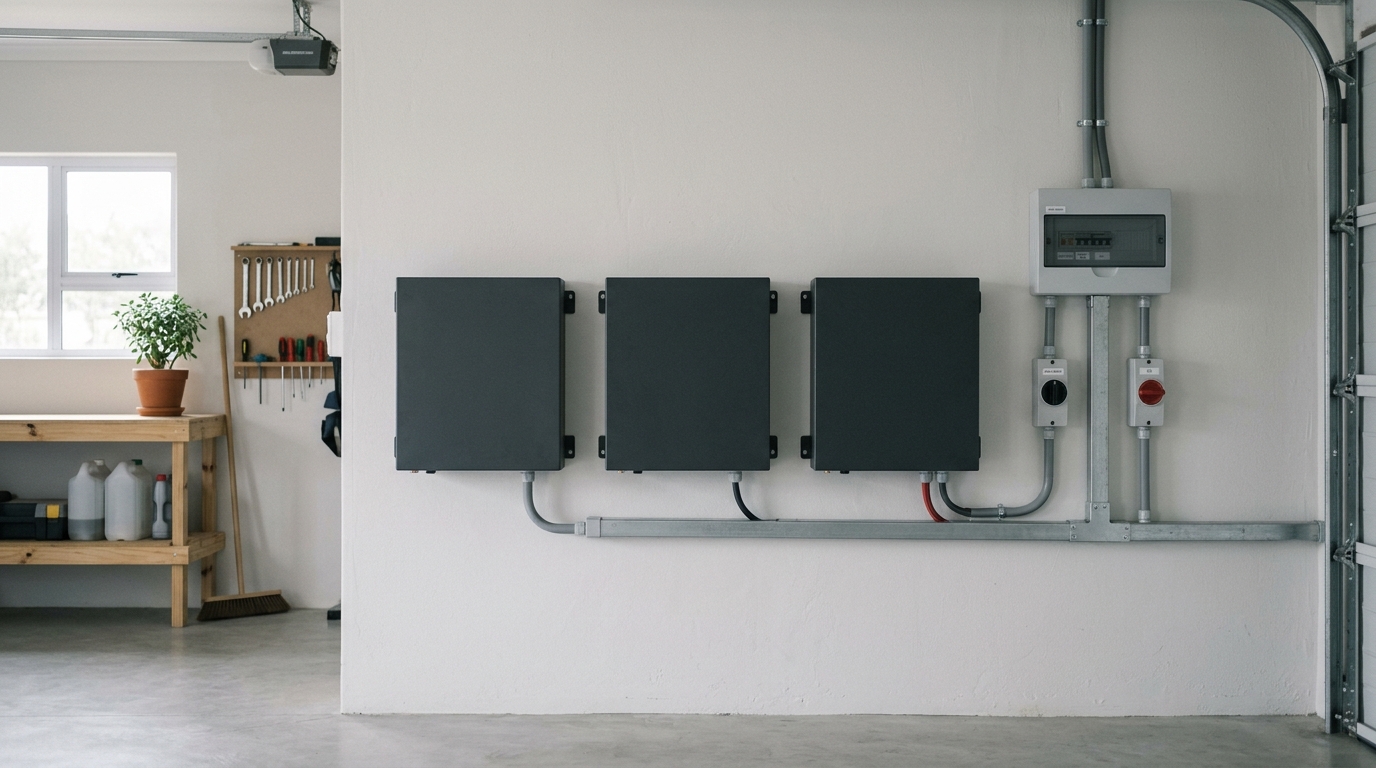
1. Dyness (China) - Best Value Leader
Market Share: ~25% | Price: R24,000 - R30,000 per 5.12kWh
Best for: homeowners wanting reliable performance at an affordable price. Why: the best price-to-performance ratio in this comparison, backed by a 10-year warranty and 6,000+ cycles.
✅ Strengths
- • Excellent price-to-performance ratio
- • Wide installer support network
- • Proven reliability in SA conditions
- • 10-year warranty standard
- • 6,000+ cycle life (LiFePO4)
- • Compatible with most inverters
- • Advanced BMS (Battery Management System)
- • Modular design (expandable)
❌ Weaknesses
- • Limited local support (imported)
- • Warranty claims can take time
- • Basic monitoring interface
- • Some quality variations between batches
Popular Models:
Flagship residential model
Proven reliability
High capacity option
Reputation: Dyness has built a strong reputation in South Africa as the "go-to" budget-friendly option without compromising quality. Installers appreciate their reliability and compatibility. Best for homeowners wanting reliable performance at an affordable price.
2. Hubble (South Africa) - Best Local Support
Market Share: ~20% | Price: R33,000 - R40,000 per 5.12kWh
Best for: those prioritizing local support and warranty peace of mind. Why: South African-made with the strongest local warranty service and support network of any brand in this guide.
✅ Strengths
- • Made in South Africa (local support)
- • Excellent warranty service
- • Strong installer network
- • 10-year warranty
- • High-quality LiFePO4 cells
- • Excellent customer service
- • Fast warranty claims processing
- • Designed for SA conditions
❌ Weaknesses
- • 20-30% more expensive than imports
- • Limited model range
- • Some compatibility issues with certain inverters
- • Occasional stock shortages
Popular Models:
Residential standard
High capacity
Reputation: Hubble is highly regarded for local support and warranty service. South African homeowners appreciate being able to call local support and get fast responses. Best for those prioritizing local support and warranty peace of mind.
3. Sunsynk (South Africa) - Best Integration
Market Share: ~18% | Price: R28,000 - R40,000 per 5.12kWh
Best for: Sunsynk inverter owners wanting seamless integration. Why: the best integrated experience when paired with a Sunsynk inverter, with strong local support and monitoring.
✅ Strengths
- • Seamless integration with Sunsynk inverters
- • Excellent app and monitoring
- • Local manufacturing and support
- • 10-year warranty
- • High efficiency (95%+)
- • Advanced BMS
- • 100% depth of discharge (some models)
- • Strong brand reputation
❌ Weaknesses
- • Premium pricing
- • Best performance with Sunsynk inverters
- • Limited compatibility with other brands
- • Some early firmware issues (resolved)
Popular Models:
Entry-level
Mid-range
Premium
Reputation: Sunsynk batteries are highly regarded when paired with Sunsynk inverters, offering the best integrated experience. The brand has strong local support and excellent monitoring capabilities. Best for Sunsynk inverter owners wanting seamless integration.
4. Pylontech (China) - Widest Inverter Compatibility
Market Share: ~15% | Price: R9,500 - R18,000 per unit
Best for: homeowners who want a widely-supported battery they can start small with and expand. Why: the widest inverter compatibility of any brand here, with the longest proven track record in South Africa.
✅ Strengths
- • Long-established, widely installed brand
- • Widest inverter compatibility
- • Proven reliability
- • Good cycle life (6,000 cycles at 90% DOD)
- • Modular design - start small and stack units
- • Established 10+ year brand
❌ Weaknesses
- • Imported (warranty delays possible)
- • US3000C carries a 7-year warranty, shorter than the 10-year leaders
- • 3.5kWh modules mean more units for the same storage
- • Basic monitoring
Popular Models:
Entry-level
Stackable up to 8 units
Reputation: Pylontech is one of the longest-established battery brands in South Africa, with a proven track record and the widest inverter compatibility of any brand in this guide. Its SA range is built on the 3.5kWh US3000C, so 10kWh takes three units rather than two. Best for homeowners who want a widely-supported battery they can start small with and expand. See the Pylontech US3000C for current pricing, or the full Pylontech model range and FAQs for every model sold in SA.
5. Freedom Won (South Africa) - Best Quality
Market Share: ~12% | Price: R14,400 - R65,000+ per unit
Best for: those prioritizing premium quality and willing to pay more. Why: Africa's largest local manufacturer, with the premium build quality South African installers rate highest.
✅ Strengths
- • Africa's largest lithium battery manufacturer
- • Premium build quality
- • Excellent warranty support
- • 10-year warranty
- • Modular stackable design
- • Commercial and residential options
- • Fire suppression systems (commercial)
- • Local manufacturing
❌ Weaknesses
- • Higher pricing (premium brand)
- • 80% depth of discharge (some models)
- • Limited residential model range
- • More complex installation
Popular Models:
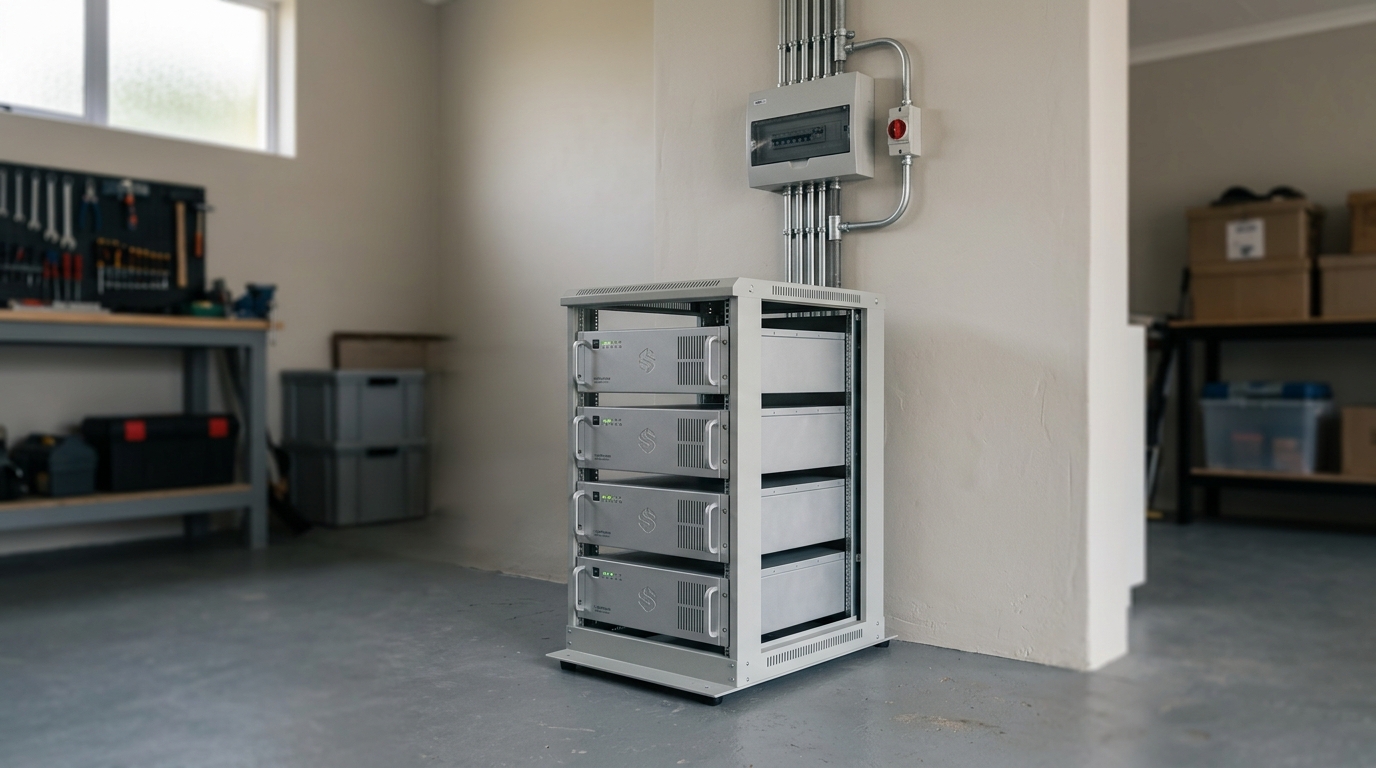
Modular rack mount
Residential 10kWh
Large-scale
Reputation: Freedom Won is considered the premium quality option in South Africa, with excellent build quality and support. They're Africa's largest manufacturer and have a strong reputation in commercial installations. Best for those prioritizing premium quality and willing to pay more.
6. Deye (China) - Best Single-Vendor Stack
Price: R28,000 - R34,000 per 5.12kWh-class | 51.2V LiFePO4
Best for: homeowners building a Deye/Sunsynk-based system who want one vendor for both inverter and battery. Why: a single-vendor stack backed by 90% DOD, 6,000+ cycles and a 10-year/16MWh warranty.
✅ Strengths
- • OEM platform behind SA's dominant hybrid inverters (Deye/Sunsynk family)
- • Battery + inverter from one ecosystem = clean integration
- • Huge installer familiarity
- • Strong specs: 90% DOD, >6,000 cycles @ 90% DOD
- • 10-year / 16MWh throughput warranty
- • Both wall and rack form factors
- • Highly scalable to ~170kWh (up to 32 units)
❌ Weaknesses
- • Imported (warranty via distributor)
- • Some SKUs (e.g. RW-M5.3 Pro) carry 12-16 week lead times
- • Multiple near-identical model names can confuse buyers
Popular Models:
51.2V 100Ah rack/wall
51.2V 104Ah
List ~R34,232 ex VAT
Reputation: Deye is the OEM platform behind much of South Africa's dominant hybrid inverter market (the Deye/Sunsynk family), so a Deye battery on a Deye-family inverter gives you a single-vendor inverter-plus-battery stack that installers know intimately. With 90% DOD, 6,000+ cycles and a 10-year / 16MWh warranty, the specs are strong. Best for homeowners building a Deye/Sunsynk-based system who want one vendor for both inverter and battery.
7. Volta (SA-distributed) - Reputable Cells, 10-Year
Price: R17,000 - R21,000 per 5.12kWh | 51.2V LiFePO4 (CALB cells)
Best for: buyers who want a known, locally-supported brand with quality cells rather than the cheapest import. Why: reputable CALB cells and SA distribution, backed by a 10-year warranty.
✅ Strengths
- • Established SA-distributed brand with good local availability
- • Reputable CALB cells
- • 10-year warranty
- • Flexible mounting (wall or floor)
- • 6,000 cycles @ 80% DOD @ 25°C
- • RS485 / RS232 / CAN comms
❌ Weaknesses
- • Rated to 80% DOD (slightly less usable per cycle than 90% rivals)
- • Mid price for the value tier
Popular Models:
51.2V 100Ah, CALB cells, 1C
RS485 / RS232 / CAN comms
Reputation: Volta is an established, SA-distributed brand with good local availability and reputable CALB cells, backed by a 10-year warranty. It is rated to 80% DOD, so usable energy per cycle is a touch lower than the 90% brands, and it sits mid-pack on price for the value tier. Best for buyers who want a known, locally-supported brand with quality cells rather than the cheapest import.
8. BYD (China) - Best Global Brand
Market Share: ~5% | Price: R42,000 - R80,000+ per unit
Best for: those wanting premium global-brand quality and willing to pay top-tier prices. Why: a global battery technology leader with a 10-15 year warranty, at the luxury end of the SA market.
✅ Strengths
- • Global leader in battery technology
- • Premium quality and innovation
- • 10-15 year warranty
- • Strong in commercial applications
- • Modular, scalable architecture
- • Globally proven cell supply chain
❌ Weaknesses
- • Highest pricing in this comparison (luxury tier)
- • Less common in SA residential installs
- • Imported (support via distributor)
- • Overkill for smaller homes
Popular Models:
For HV hybrid inverters
For 48V-class inverters
Reputation: BYD is a global leader in battery technology, known for premium quality and innovation. With a 10-15 year warranty it sits at the luxury end of the SA market - less common in residential installs but highly regarded in commercial applications. Best for those wanting premium global-brand quality and willing to pay top-tier prices. Read our full BYD Battery-Box Premium HVS review for the complete breakdown.
9. Solar MD (South Africa) - Best Innovation
Market Share: ~8% | Price: R30,000 - R43,000 per 5.12kWh
Best for: those wanting to support local innovation and get competitive, locally-backed pricing. Why: local manufacturing from a Cape Town gigawatt-scale factory, backed by a 10-year warranty and local support.
✅ Strengths
- • Local manufacturing (Cape Town gigawatt-scale factory)
- • Strong innovation and engineering focus
- • 10-year warranty
- • 90% depth of discharge
- • Local support and warranty handling
- • 6,000+ cycle life
❌ Weaknesses
- • Premium pricing vs imported value brands
- • Smaller installed base than the volume leaders
- • Narrower model range
Popular Models:
Locally manufactured
Larger installations
Reputation: Solar MD is an emerging player with strong innovation and local manufacturing capabilities. Their Cape Town gigawatt-scale factory positions them as a serious competitor, backed by a 10-year warranty and local support. Best for those wanting to support local innovation and get competitive, locally-backed pricing.
10. Greenrich (China) - Best High-Load Value
Price: R14,000 - R16,000 (~4.95kWh unit) | 51.2V LiFePO4
Best for: homes with high simultaneous loads that still want value. Why: a 1.5C discharge rating (~7.5kW output) that copes better with big simultaneous loads than typical 0.5C/1C rivals, at a keen price.
✅ Strengths
- • High 1.5C discharge (≈7.5kW output) - handles big surge/continuous loads
- • Strong local distribution and full HV system option
- • Keen pricing
- • 10-year warranty
- • 6,000+ cycles, 90% DOD
- • Wall and rack options
❌ Weaknesses
- • ~4.95kWh is marginally under the 5.12kWh class
- • Imported
- • Brand still building mainstream recognition
Popular Models:
51.2V ~100Ah
Wall form factor
Larger installations
Reputation: Greenrich stands out for a high 1.5C discharge rating (≈7.5kW output) - higher than typical 0.5C/1C value rivals - so it copes better with big simultaneous loads like a geyser plus appliances. It has strong local distribution, a full high-voltage system option, keen pricing and a 10-year warranty. The ~4.95kWh unit is marginally under the 5.12kWh class. Best for homes with high simultaneous loads that still want value.
11. HinaESS (China) - Best Budget 10-Year Warranty
Price: R13,000 - R16,000 per 5.12kWh | 51.2V LiFePO4 (LFP)
Best for: budget-conscious buyers who still want a 10-year warranty. Why: a 10-year warranty - unusual at this price - backed by a wide SA warehouse footprint.
✅ Strengths
- • 10-year warranty unusual at this price
- • Wide SA warehouse footprint (Cape Town, Joburg, Bloemfontein, Gqeberha, Durban)
- • App monitoring
- • Modular
- • 6,000 cycles, 90% DOD
- • Wall or floor mount
❌ Weaknesses
- • Newer brand with a smaller installed base in SA
- • Imported
- • Thinner third-party review history
Popular Models:
51.2V 100Ah
App monitoring
Modular
Reputation: HinaESS pairs a 10-year warranty - unusual at this price - with a wide SA warehouse footprint spanning Cape Town, Johannesburg, Bloemfontein, Gqeberha and Durban, plus app monitoring and modular expansion. As a newer brand it has a smaller installed base and thinner third-party review history in SA. Best for budget-conscious buyers who still want a 10-year warranty.
12. Shoto (China) - Proven Cells, Sharp Price
Price: R13,000 - R17,600 per 5.12kWh | 51.2V LiFePO4
Best for: value buyers who want proven cells and don't mind a 5-year warranty. Why: proven telecom-grade cells at a very competitive price, though the SA warranty is typically 5 years.
✅ Strengths
- • Large, long-established cell/ESS manufacturer (telecom & utility heritage)
- • Proven cell quality
- • Very competitive price
- • High usable percentage (~95% usable per cycle)
- • 6,000 cycles
❌ Weaknesses
- • SA warranty commonly 5-year (shorter than the 10-year leaders)
- • Support via distributor
- • Brand less consumer-known in SA
Popular Models:
51.2V 100Ah, ~95% usable
Larger installs
Reputation: Shoto is a large, long-established cell and ESS manufacturer with telecom and utility heritage, so cell quality is proven, and pricing is very competitive with a high usable percentage per cycle. The main caveat is that the SA warranty is commonly 5-year (against a quoted 10-year-plus design life), shorter than the 10-year leaders, with support via distributor. Best for value buyers who want proven cells and don't mind a 5-year warranty.
13. Ecco (China) - Cheapest Entry
Price: R11,750 - R12,000 per 5.12kWh | 51.2V LiFePO4
Best for: tight budgets or smaller backup needs where lowest upfront cost is the priority. Why: the lowest entry price in this comparison, though with a 5-year warranty and value-tier cells.
✅ Strengths
- • Lowest entry price in the comparison
- • Simple wall-mount
- • Widely stocked
- • Parallels up to 16 units
- • ~6,000 cycles, 90% DOD
❌ Weaknesses
- • 5-year warranty (half the field)
- • Value-tier cells
- • Limited brand track record and support depth
- • Warranty claims require COC + qualified-installer proof (SA rules)
Popular Models:
51.2V 100Ah, 1C, wall-mount
Scalable backup
Reputation: Ecco is the lowest entry price in this comparison - a simple, widely-stocked wall-mount unit that can parallel up to 16 batteries. The catch is a 5-year warranty (half the field), value-tier cells and limited brand track record. Remember that in South Africa warranty claims require a Certificate of Compliance (COC) and proof of installation by a qualified installer. Best for tight budgets or smaller backup needs where lowest upfront cost is the priority.
14. EcoFlow (China) - Best No-Install / Plug-and-Play
Plug-and-play portable + PowerOcean whole-home | Premium R/kWh
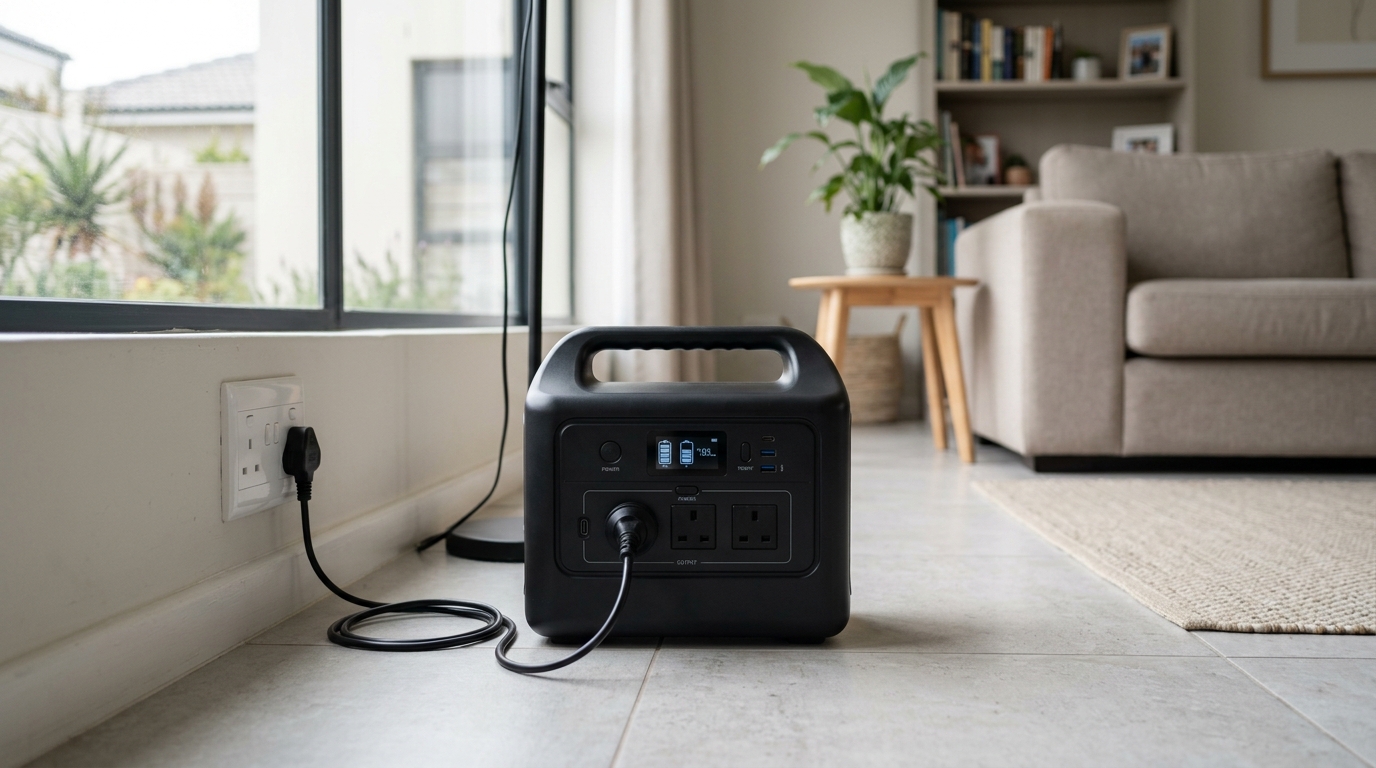
Different product category: EcoFlow is a plug-and-play / all-in-one class, not a hardwired 48V battery like the 13 brands above. Its portable units include a built-in inverter and solar MPPT and simply plug into a wall socket - no electrician required. We include it so you can compare convenience and cost fairly, but it is not a like-for-like replacement for a hybrid-inverter-plus-rack-battery house system (the hardwired PowerOcean range is the exception).
Best for: renters, apartments, or anyone wanting instant plug-and-play backup with no installation. Why: no electrician needed - deploys in minutes with a built-in inverter and solar MPPT.
✅ Strengths
- • No electrician needed for portable units (renters, apartments, quick backup)
- • Fast deployment
- • Slick app
- • Built-in inverter + solar MPPT
- • PowerOcean offers a proper whole-home option
- • LiFePO4 with AC + solar input built in
❌ Weaknesses
- • Premium cost per kWh for portable units
- • Portable units are not a permanent hard-wired house battery
- • PowerOcean is newer / less common in SA
- • Lower continuous output than a full hybrid-inverter + rack-battery stack
- • 5-year warranty (portable line)
Popular Models:
Portable, plug-and-play
With extra batteries + Smart Panel
Permanent system
Reputation: EcoFlow wins on convenience: its DELTA Pro-class portable units need no electrician, deploy in minutes and include a built-in inverter and solar MPPT, which makes them ideal for renters, apartments and quick load-shedding backup. The trade-off is a premium cost per kWh and lower continuous output than a full hybrid stack; pricing runs premium R/kWh (portable units from roughly R40,000+ for DELTA Pro-class - check live pricing). The PowerOcean range is a proper hardwired whole-home option but is newer in SA. Best for renters, apartments, or anyone wanting instant plug-and-play backup with no installation.
Complete Brand Comparison Table: 2026 Specifications (All 14 Brands)
| Brand | 5.12kWh Price | Warranty, Cycles & DOD |
|---|---|---|
| Dyness DL5.0CChina⭐⭐⭐⭐⭐ | R24,000 - R30,000 | 10 years6,000+ cycles, 90% DOD |
| Hubble AM-5South Africa⭐⭐⭐⭐⭐ | R33,000 - R40,000 | 10 years6,000+ cycles, 90% DOD |
| Sunsynk L5.1South Africa⭐⭐⭐⭐⭐ | R28,000 - R40,000 | 10 years6,000+ cycles, 90-100% DOD |
| Pylontech US3000CChina⭐⭐⭐⭐ | R14,000 - R18,000 (3.5kWh) | 7 years6,000 cycles, 90% DOD |
| Freedom Won eTower 5kWhSouth Africa⭐⭐⭐⭐⭐ | R40,000 - R48,000 | 10 years6,000+ cycles, 90% DOD |
| Deye SE-G5.3China⭐⭐⭐⭐⭐ | R28,000 - R34,000 | 10 years / 16MWh6,000+ cycles, 90% DOD |
| Volta Stage 1SA-distributed⭐⭐⭐⭐ | R17,000 - R21,000 | 10 years6,000 cycles, 80% DOD |
| BYD Battery-BoxChina⭐⭐⭐⭐⭐ | R42,000 - R80,000+ | 10-15 years6,000+ cycles, 90% DOD |
| Solar MDSouth Africa⭐⭐⭐⭐ | R30,000 - R43,000 | 10 years6,000+ cycles, 90% DOD |
| Greenrich UP5000China⭐⭐⭐⭐ | R14,000 - R16,000 (~4.95kWh) | 10 years6,000+ cycles, 90% DOD |
| HinaESS Hi-5China⭐⭐⭐⭐ | R13,000 - R16,000 | 10 years6,000 cycles, 90% DOD |
| Shoto SDC10-Box 5China⭐⭐⭐⭐ | R13,000 - R17,600 | 5-year (10yr+ design life)6,000 cycles, ~95% DOD |
| Ecco W51100China⭐⭐⭐ | R11,750 - R12,000 | 5 years~6,000 cycles, 90% DOD |
| EcoFlow DELTA ProChina · Portable/AIO⭐⭐⭐⭐ | Premium R/kWh - see live pricing | 5 yearsLiFePO4 |
Still deciding which battery? Size it to your own home, then get matched to the right brand.
Pick a size and your load-shedding essentials - we'll match the brand to your inverter and price it, with no obligation.
Your battery size
Usable capacity (LiFePO₄ batteries discharge to ~90% safely).
What's running?
Tap each appliance you'd keep on during load shedding.
A 10kWh battery runs your 4 essentials for about 28h 08m. Tell us your inverter and we'll match you to the right brand at this size - with a no-obligation price.
No obligation. We match the brand to your inverter - Pylontech, Dyness, Hubble and BYD in stock.
How to read this table: "5.12kWh Price" is the street-price band incl. VAT for a roughly 5kWh residential unit (Greenrich is ~4.95kWh and the Pylontech US3000C is 3.5kWh; EcoFlow is a portable all-in-one priced per kWh, so it carries a "Portable/AIO" note). DOD is depth of discharge - the share of the battery you can safely use each cycle. A 90% DOD battery gives you more usable energy per cycle than an 80% one of the same nominal size. Once you have picked a brand, our solar battery usage guide shows how to turn those kWh into maximum backup hours during load shedding, and our Dyness DL5.0C review covers the value pick in depth.
Compare All Solar Batteries Live
See up-to-date pricing and availability from South African suppliers for all battery brands above.
View solar batteries South Africa 2026 →Which Battery Brand Should You Choose? Decision Guide
💰 Best Value for Money
Choose: Dyness DL5.0C (or Pylontech US3000C)
The Dyness DL5.0C (R24,000-R30,000) is a proven, widely installed 5.12kWh unit with excellent reliability and broad inverter support. If you would rather start smaller, the Pylontech US3000C (3.5kWh) stacks as you add units.
🏷️ Best Cheapest Entry
Choose: Ecco W51100
At R11,750-R12,000 it's the lowest entry price here. Accept the 5-year warranty (vs 10-year leaders) and keep your COC and installer paperwork for any claim. Best for tight budgets and smaller backup needs.
🛡️ Best Value 10-Year Warranty
Choose: HinaESS Hi-5 or Shoto SDC10-Box 5
HinaESS pairs a 10-year warranty with a wide SA warehouse footprint at R13,000-R16,000. Shoto brings proven, long-established cells at R13,000-R17,600 (5-year SA warranty, 10yr+ design life) - strong picks if budget and cover both matter.
⚡ Best High-Load / High C-Rate
Choose: Greenrich UP5000
Its 1.5C discharge (≈7.5kW output) handles big simultaneous loads - geyser plus appliances - better than typical 0.5C/1C value rivals, with a 10-year warranty and keen pricing.
🔗 Best Single-Vendor Stack
Choose: Deye SE-G5.3
If you're running a Deye/Sunsynk-family hybrid inverter, a Deye battery gives you one vendor for inverter and battery, clean integration and installer familiarity - with 90% DOD and a 10-year / 16MWh warranty.
🏠 Best Local Support
Choose: Hubble AM-5 (or Volta Stage 1)
Hubble is made in South Africa with excellent local support and fast warranty service. Volta is a strong SA-distributed alternative with reputable CALB cells and a 10-year warranty at lower cost.
⭐ Best Quality
Choose: Freedom Won (or BYD / Solar MD)
Premium build quality from Africa's largest manufacturer. For a global luxury option go BYD (10-15yr warranty); for locally-made innovation, Solar MD's Cape Town factory.
🔌 Best No-Install / Renters
Choose: EcoFlow DELTA Pro
Plug-and-play, no electrician, deploys in minutes - ideal for renters and apartments. A different (portable, all-in-one) class to the hardwired 48V batteries, at a premium per kWh. For a permanent whole-home setup, look at EcoFlow PowerOcean.

Is the Tesla Powerwall worth it in South Africa?
The Tesla Powerwall is available in South Africa, but it is the most expensive route onto this page. The 13.5kWh unit launched here at around R200,000 excluding installation, sold only through authorised dealers, and installations have run four to six weeks from order because of supply constraints. Import duties can add up to 25% to the landed price, and annual maintenance has been quoted at R10,000-R15,000 depending on the service provider.
Set against the price bands above, one Powerwall costs more than the whole luxury tier in this comparison - BYD territory and beyond - for a similar amount of storage. It is genuine premium hardware, but you are paying for the import as much as the battery, and waiting weeks for it. For most South African homes, the locally-stocked 48V brands in this guide - Dyness, Hubble, Freedom Won, Solar MD and the rest - deliver the same usable storage at a fraction of the price, with local warranty support and no import queue. The exception is if you specifically want Tesla and can absorb the premium: buy through an authorised dealer, and confirm the warranty is honoured locally before you sign anything.
When a Solar Battery Is Not Worth It (Yet)
Most battery guides only tell you which one to buy. Here is the part they leave out: the cases where a solar battery is the wrong first purchase, or the wrong purchase full stop. Reading this before you spend is what stops an expensive mistake - none of these mean "never", they mean sequence the money.
Your electricity bill is small
If you spend well under about R1,000 a month, a battery big enough to matter takes a long time to earn its keep on energy savings alone. For most small-bill homes, panels and a hybrid inverter - with little or no storage to begin with - cut more off the bill per rand, and you can add a battery later once you own it. Check what your own home actually needs with our battery sizing guide.
You rent, or you are moving soon
A hardwired 48V battery is bolted to your DB board and stays with the house when you leave. If you cannot take it with you, the plug-and-play route - an EcoFlow DELTA Pro-class unit (section 14 above) - or simply waiting until you own is the smarter call. Portable units cost more per kWh but you keep them.
Backup is your only reason, and load shedding has stopped near you
A battery bought purely to ride out outages earns very little in a stretch with no load shedding. If that is your whole motive, either hold off, or size the battery for solar self-consumption instead - storing your cheap daytime solar to use in the evening peak, which pays back whether or not the lights go out.
Your roof cannot fit enough panels to recharge it
A large battery that only half-fills each day from a small array just cycles shallowly - you paid for kWh you never actually use. Match battery size to what your panels can put back in a day, not to load-shedding fear. If your array is the limit, spend the next rand on panels before more storage.
You are buying on the sticker price alone
The cheapest battery with a 5-year warranty and a lower DOD can cost more per usable kWh over its life than a dearer 10-year, 90% DOD unit. If you are choosing on the lowest number on the shelf, run the cost-per-usable-kWh test above first - it often flips which battery is really cheaper.
The pattern behind all five: for most South African homes the order is panels and a hybrid inverter first, storage sized to your own solar and loads second, and the brand chosen on cost per usable kWh rather than the lowest sticker. If you are not sure where your home sits, our system sizer shows the right sequence for your bill and roof in a few questions.
Key Factors When Choosing a Solar Battery
1. Battery Capacity (kWh)
- • 5kWh: Essentials only (fridge, lights, Wi-Fi) - Stage 2 backup
- • 10kWh: Comfortable whole-home backup - Stage 4 coverage
- • 15-20kWh: Full home through Stage 6, including TV and work-from-home
- • Rule of thumb: battery size (kWh) = essential load (kW) x backup hours ÷ usable DOD. A 600W essential load for 8 hours on a 90% DOD battery needs 0.6 x 8 ÷ 0.9 = 5.3kWh - just over one 5.12kWh unit, so either trim the load or size up.
2. Inverter Compatibility
Always verify your battery works with your inverter. Check our Solar Battery Compatibility Guide →
- • Universal: Pylontech, Dyness, Volta, HinaESS, Shoto, Ecco - work with nearly all inverters
- • Same-stack: Deye batteries on Deye/Sunsynk-family inverters - cleanest single-vendor integration
- • Brand-specific: Sunsynk batteries - best with Sunsynk inverters
- • All-in-one: EcoFlow - built-in inverter, no separate hybrid inverter needed
- • High-voltage: BYD Battery-Box HVS and other HV stacks only run on an HV-compatible hybrid inverter - most SA hybrids are 48V, so check before you buy. See high-voltage vs 48V batteries.
3. Warranty Length & DOD - Why They Matter
The new value brands vary a lot on two numbers that decide real-world cost: warranty length and depth of discharge (DOD). Don't judge a battery on sticker price alone.
- • Warranty (5yr vs 10yr): Most brands here offer 10 years (Pylontech, Dyness, Hubble, Sunsynk, Freedom Won, Deye, Volta, Solar MD, Greenrich, HinaESS, BYD 10-15yr). Ecco, Shoto and EcoFlow's portable line carry 5-year cover. A 5-year battery shifts the risk for years 6-10 onto you, so the upfront saving needs to be worth that exposure.
- • DOD (80% vs 90% vs ~95% usable): DOD is how much of the battery you can safely use each cycle. A 90% DOD 5.12kWh battery gives you noticeably more usable energy per cycle than an 80% one of the same nominal size (Volta and some Freedom Won models sit at 80%; Shoto quotes ~95% usable). Two batteries with the same nominal kWh are not equal if their DOD differs.
- • The principle (no fabricated math): What actually matters is the cost per usable kWh over the warranty - price divided by usable capacity, judged against how long it's covered. A slightly cheaper battery with a shorter warranty and lower DOD can end up worse value than a pricier 10-year, 90% DOD unit. Always compare like for like: usable kWh, warranty years, and cycle count together - not the headline price.
4. Warranty and Local Support
- • Most brands: 10-year warranty (Ecco, Shoto and EcoFlow portable: 5-year)
- • Local support (faster claims): Hubble, Sunsynk, Freedom Won, Solar MD, Volta; HinaESS runs a wide SA warehouse footprint
- • International (strong SA distributors): Pylontech, Dyness, Deye, BYD, Greenrich, Shoto
- • SA rules: warranty claims generally require a Certificate of Compliance (COC) and proof of qualified installation - keep your paperwork
5. Battery Chemistry: LiFePO4 vs NMC vs Lead-Acid
- • LiFePO4 (lithium iron phosphate): 6,000-10,000 cycles at 90-100% DOD, and the most stable lithium chemistry, which matters for a battery mounted in a garage or inside the house. It is what the home batteries on this page are built on.
- • NMC (nickel manganese cobalt): 4,000-6,000 cycles at 80-90% DOD. It packs more energy into less space, which is why EVs use it, but it runs hotter and is less forgiving - rarely the right pick for home storage.
- • LTO (lithium titanate): 20,000+ cycles, but priced for commercial and extreme-duty sites rather than homes.
- • Lead-acid: only about 50% of its rated capacity is usable, it lasts a fraction of the cycles and needs more maintenance - a cheaper sticker price that costs more per usable kWh over its life.
6. Looking After a Lithium Battery
- • Keep it cool: heat ages cells fastest, so a shaded, ventilated garage or indoor wall beats an outside wall in the afternoon sun
- • Set it up right: the inverter's battery type and charge limits should match the manufacturer's values, and BMS alarms should never be ignored
- • Check it monthly: look at state of health and cell balance in the inverter app, and keep battery and inverter firmware updated
- • Avoid the extremes: don't regularly run it flat, or leave it sitting at 100% for weeks without use
- • Expand like for like: add the same model, ideally of a similar age, rather than mixing batteries in one bank
Ready to get solar battery quotes?
Get three free quotes from local installers and compare price, warranty and usable capacity side by side. Free, no obligation.
Ready to Choose Your Solar Battery?
Get personalized battery recommendations based on your home, usage, and inverter compatibility.
Get a System Design Free
Give us a few details and we can give you a quote or advice on what system would be perfect for you.
Frequently Asked Questions
How much does a 5kWh or 10kWh solar battery cost in South Africa?
By capacity, 5kWh costs about R21,500 to R28,000, 10kWh costs about R42,500 to R56,500, 15-16kWh costs about R66,000 to R87,500, 20kWh+ costs about R85,000 to R112,500 for the battery itself, plus R3,500 to R8,000 for installation, wiring and the certificate of compliance. Those are typical figures - the middle half of what a kWh of storage costs across the 11 batteries we list. The cheapest route to 5kWh in our range is R17,000 (Dyness BX51100 5.12kWh PowerBox), and storage above 10kWh is normally reached by stacking modular 48V units rather than buying one large battery.
Which battery is best for solar?
For a South African home, the best battery for solar is a 48V LiFePO4 (lithium iron phosphate) unit sized to your essential loads and matched to your inverter - that combination covers the overwhelming majority of installs. On specific models: the Dyness DL5.0C is the safest all-round pick, a widely installed 5.12kWh unit that works with most hybrid inverters at a mid-range price. Hubble has the strongest local warranty support, Freedom Won and BYD are the premium picks for build quality, and if you want to start smaller the Pylontech US3000C (3.5kWh) stacks up as you add units. Avoid 12V batteries for home backup and avoid lead-acid entirely - both cost more per usable kWh over their life. The single most important check is that the battery voltage and brand suit your inverter, because an incompatible battery is worth nothing regardless of its specs.
Which solar battery brand is best in South Africa?
There is no single best brand - it depends on your priority. Across the 14 brands we compare, the most popular, widely-stocked batteries in 2026 are Dyness, Hubble and Sunsynk. For the best price-to-performance, the Dyness DL5.0C leads the value segment. For build quality and longevity, Freedom Won, Solar MD and BYD are the premium picks. For the strongest local support, Hubble, Sunsynk, Solar MD and Volta have the best South African footprint. If you run a Deye or Sunsynk inverter, a same-stack Deye battery gives the cleanest single-vendor integration.
How much does a solar battery cost in South Africa in 2026?
For a standard 5.12kWh LiFePO4 (51.2V) battery, expect roughly R11,750-R17,000 for budget brands like Ecco, Shoto, HinaESS and Greenrich, R17,000-R34,000 for mid-range options like Volta, Dyness, Pylontech and Deye, R33,000-R48,000 for premium brands like Hubble, Sunsynk and Freedom Won, and R42,000+ for luxury units like BYD. EcoFlow plug-and-play units sit at a premium per kWh because they include a built-in inverter and need no installation. Installation and inverter compatibility costs are extra.
What is the best value solar battery in South Africa?
The Dyness DL5.0C offers the best mainstream value in 2026, combining proven reliability and wide installer support with mid-range pricing of R24,000-R30,000 for a 5.12kWh unit. If you want the cheapest possible entry, Ecco starts around R11,750-R12,000, while Shoto, HinaESS and Greenrich sit in the R13,000-R17,000 band - with HinaESS and Greenrich notably offering 10-year warranties at budget prices.
Which solar batteries have the best local support in South Africa?
Hubble, Sunsynk, Solar MD and Volta have the strongest local presence, with South African distribution, locally-honoured warranties and responsive technical support. HinaESS also runs a wide local warehouse footprint across Cape Town, Johannesburg, Bloemfontein, Gqeberha and Durban. Warranty claims and replacements are far faster when the manufacturer or distributor is based in South Africa rather than relying on imported stock.
Is a 5-year warranty battery like Ecco or Shoto worth it?
It can be, if the upfront saving matters more to you than the longest cover. Ecco (5-year) and Shoto (typically 5-year in SA, though Shoto quotes a 10-year-plus design life) are among the cheapest LiFePO4 batteries on the market. The trade-off is half the warranty period of the 10-year leaders, so you carry more risk in years 6-10. Note that in South Africa warranty claims generally require a Certificate of Compliance (COC) and proof of installation by a qualified installer, so keep your paperwork. For a tight budget or a smaller backup need, a 5-year unit can be the right call - just go in with eyes open.
Is EcoFlow a real alternative to a hardwired solar battery?
EcoFlow is a different category. Its DELTA Pro and DELTA Pro 3 are plug-and-play portable power stations with a built-in inverter and solar MPPT - you plug them into a wall socket, no electrician needed, which makes them ideal for renters, apartments and fast load-shedding backup. The PowerOcean range is a proper hardwired whole-home LFP system. For a permanent house battery feeding your whole DB board, a hybrid inverter plus a rack battery (Pylontech, Dyness, Deye and the rest) still delivers more continuous output at a lower cost per kWh. EcoFlow wins on convenience and zero installation, not on cost per kWh.
Which is the cheapest solar battery in South Africa in 2026?
Ecco is the cheapest in our comparison, with a 5.12kWh wall-mount unit around R11,750-R12,000 - but it carries a 5-year warranty rather than the 10-year norm. Shoto (R13,000-R17,600), HinaESS (R13,000-R16,000) and Greenrich (R14,000-R16,000 for its ~4.95kWh unit) are the next cheapest, and HinaESS and Greenrich both include a 10-year warranty, which makes them better value once you account for the cover. Always weigh the upfront price against warranty length and usable depth of discharge, not the sticker price alone.
What are the four types of solar batteries?
In practice, South African homes see four solar battery types. 1) LiFePO4 (lithium iron phosphate) - the standard for home solar in 2026: 6,000+ cycles, 90% depth of discharge, stable and safe, and what every battery in this guide except the plug-and-play EcoFlow is built on. 2) Lithium-ion NMC (nickel manganese cobalt) - packs more energy into less space, which is why EVs and some portable power stations use it, but it runs hotter and is rarely the right pick for a house. 3) Lead-acid (flooded or tubular) - the old off-grid standard: cheap to buy, but only about 50% of its capacity is usable, it lasts a fraction of the cycles and needs maintenance, so it costs more per usable kWh over its life. 4) Gel / AGM (sealed lead-acid) - maintenance-free lead-acid, still short-lived next to lithium. For almost every South African home the answer is LiFePO4; lead-acid and gel still get quoted only on a very tight off-grid budget, and even there they cost more per usable kWh over their life.
Is it worth getting a battery with solar in South Africa?
It depends on your bill, your roof and why you are buying. For a home with a meaningful electricity bill and regular load shedding, a battery sized to your essential loads usually pays for itself through avoided outages and by storing cheap daytime solar for the evening peak. It is often not the first rand to spend if your bill is small, you rent, load shedding has stopped in your area, or your roof cannot fit enough panels to recharge the battery each day. The rule that fits most South African homes: panels and a hybrid inverter first, then storage sized to your own solar and loads, and the brand chosen on cost per usable kWh rather than the lowest sticker price.
Which solar battery lasts the longest in South Africa?
LiFePO4 (lithium iron phosphate) batteries last the longest, rated at 6,000+ cycles and typically 10-15 years, against roughly 1,500 cycles and 3-5 years for lead-acid. Among the lithium brands, the 10-year-warranty units last longest in practice: Freedom Won, Hubble, Solar MD, Dyness, Sunsynk and BYD all carry a 10-year (or 10-15 year, for BYD) warranty with a 90% usable depth of discharge. Lifespan depends as much on how you use the battery as on the brand - keeping it inside its depth-of-discharge limit and out of sustained heat is what gets you the full warranty life.
Which is the number 1 solar battery in South Africa?
There is no single number 1 - it depends on your priority. For all-round value the Dyness DL5.0C is the most recommended pick: a widely stocked 5.12kWh LiFePO4 unit at R24,000-R30,000 with a 10-year warranty that works with most hybrid inverters. For local (SA-made) support Hubble leads, for premium build Freedom Won, Solar MD and BYD lead, and for a cheap modular entry the Pylontech US3000C. The most popular, widest-stocked brands in 2026 are Dyness, Hubble and Sunsynk.
What is the lifespan and cycle rating of a Pylontech US5000 battery?
Pylontech rates the US5000 at 6,000+ cycles at 90% depth of discharge, rising to 8,000 cycles under lab conditions at 25°C, with a 15+ year design life and a 7-year warranty that extends to 10 years if you register the battery with Pylontech. In South Africa's climate, cycling once a day in a hot garage or roof space above 30°C typically brings real-world life down to 10-15 years, since heat degrades LiFePO4 cells faster than the lab figures suggest. One thing worth flagging: the US5000 is not currently sold through a South African distributor - SA Pylontech supply is the US3000C, UP5000 and UF5000 - so if you are buying rather than comparing specs, the Pylontech US3000C is the model actually available here.
Is the Tesla Powerwall available in South Africa?
Yes - the Tesla Powerwall is sold in South Africa through authorised dealers. The 13.5kWh unit launched here at around R200,000 excluding installation, with import duties adding up to 25% to the landed price and annual maintenance quoted at R10,000-R15,000 depending on the service provider. Installation lead times have run four to six weeks because of supply constraints. For most homes, the locally-stocked 48V LiFePO4 brands compared on this page deliver similar usable storage at a far lower price, with faster, locally-honoured warranty support - so the Powerwall only makes sense if you specifically want Tesla and are comfortable with the premium and the wait.
Do I still need to register my home solar system with Eskom?
Yes. If you are an Eskom Distribution customer, small-scale rooftop solar and battery systems must be registered. Eskom has been waiving the registration and connection fees, and including a free smart meter, for eligible residential systems up to 50kVA - and on 1 October 2026 it extended that fee waiver until further notice, scrapping the old deadline. It is a fee waiver, not an exemption: registration itself is still legally required, so register while it is free.
Do I need an expensive engineer’s sign-off?
No longer, for most homes. Since 1 October 2025 Eskom has allowed residential systems to be signed off by a person registered with the Department of Employment and Labour, rather than requiring a professional engineer. That cuts both the cost and the wait. A reputable installer will handle the paperwork for you.
What does registration actually cost me right now?
For eligible Eskom residential customers up to 50kVA, the registration-related fees and a smart meter are covered by Eskom up to R10,000 for urban and residential connections while its fee waiver is in place. Eskom extended that waiver until further notice on 1 October 2026, so there is no longer a deadline - register while it applies and your out-of-pocket cost is effectively zero.
Related Battery Guides
Dyness vs Pylontech 2026
Head-to-head comparison of SA's two most popular value batteries.
Deye vs Dyness Battery Comparison
C-rating, pricing and which battery to pair with a Deye inverter.
Dyness vs Hubble Battery Comparison
Lowest price per kWh versus local South African support.
Sigenergy Battery Price 2026
SigenStor and SigenStack pricing, and how it compares to mainstream brands.
Deye Approved Battery List 2026
Which battery brands are officially compatible with a Deye inverter.
High Voltage vs 48V Batteries
Which battery architecture is right for your inverter?
Solar Battery Sizing Guide
Work out how many kWh your home needs before you pick a brand.
How Long Do Solar Batteries Last?
Cycle life, warranty and what shortens a battery's life in SA conditions.
Best Batteries for EV Owners
Which battery to choose if you charge an electric car from solar.
Solar Panel Cost Guide 2026
Complete pricing guide for solar panels and complete systems.
Battery Installation Cost
What installers charge to fit and wire a battery, over and above the unit price.
Add Battery to Existing Solar
How to retrofit battery storage to your existing solar system.
How to Finance & Pay It Off
Bank loans (FNB, Absa, Nedbank, Standard Bank, MFC), rent-to-own and the SARS rebate compared.
All products (11)
Dyness DL5.0C 5.12kWh Battery
Pylontech US3000C 3.5kWh Battery
Hubble AM-10 10kWh Battery
Dyness BX51100 5.12kWh PowerBox
Freedom Won eTower 5kWh Battery
Hubble AM-5 5.3kWh Battery
Sunsynk SSLB 10.65kWh Battery
Hubble AM-2 5.5kWh Battery
BYD Battery-Box Premium HVS 5.1kWh
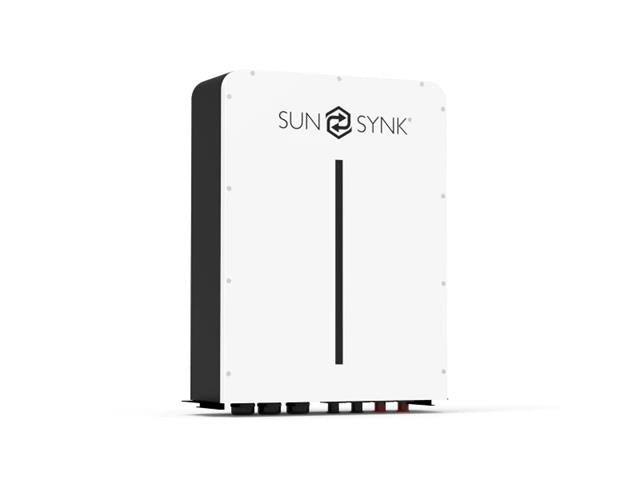
Sunsynk 5.12kWh Battery
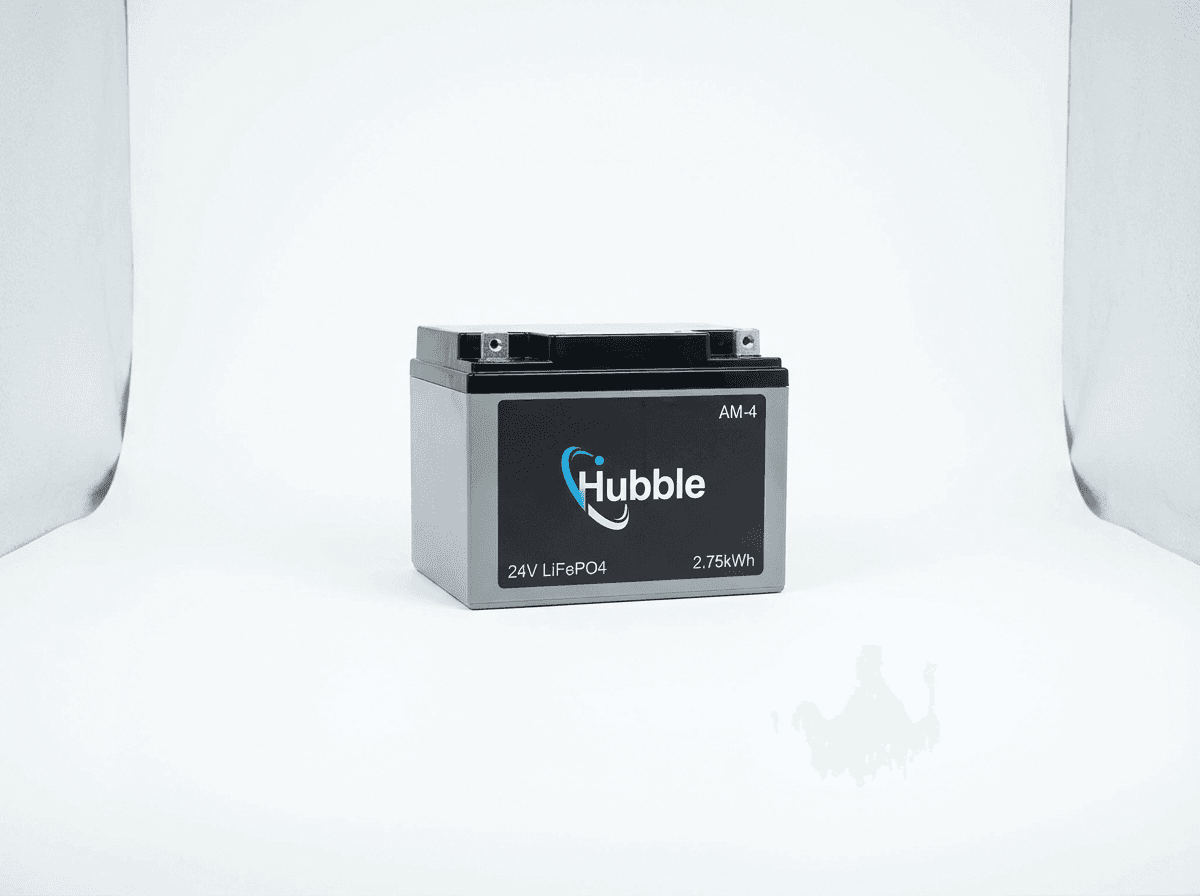
Hubble AM-4 2.75kWh 24V Battery
About This Battery Comparison Guide
This guide is based on analysis of solar battery installations completed in South Africa during 2025-2026. Data comes from certified installers, manufacturer specifications, customer reviews, and industry reports.
September 2026 update: added a cost-per-usable-kWh breakdown derived from live catalogue pricing, and a "when a solar battery is not worth it yet" section covering the cases most buying guides leave out.
November 2026 update: added a section on the Tesla Powerwall's South African price, availability and running costs, and how it stacks up against the locally-stocked brands in this comparison.
- • Certified solar installers across SA
- • Manufacturer specifications
- • Customer review analysis
- • Industry market reports
Author: Neil Berrow