Can you stop paying Eskom completely?
Only by cutting the cord. Going fully off-grid → means a bigger battery and enough panels to carry your worst week of weather with no grid to fall back on - and proving to Eskom that you run independently of its supply. It ends the bill, but it costs more and leaves no safety net.
For most homes the smarter target is not R0 - it is a tiny bill with the grid still there for the rare bad day. A hybrid system gets you there for far less than going fully off-grid, and the grid becomes a backup you rarely touch rather than the hand in your pocket every month.
Do you have to register your solar with Eskom?
Yes - and since 1 October 2026 it is free indefinitely for direct Eskom customers with systems up to 50kVA, including a free smart meter. Registration is still legally required: an unregistered system can void an insurance claim and locks you out of being paid for the power you export. The full detail is in our guide on free solar registration →.
Once you are registered with a bi-directional meter, Eskom's Homeflex tariff credits you for surplus power your panels send back - which nudges your net bill down even further, though it will not, on its own, cancel the fixed charge.
So what should you do?
It comes down to two questions:
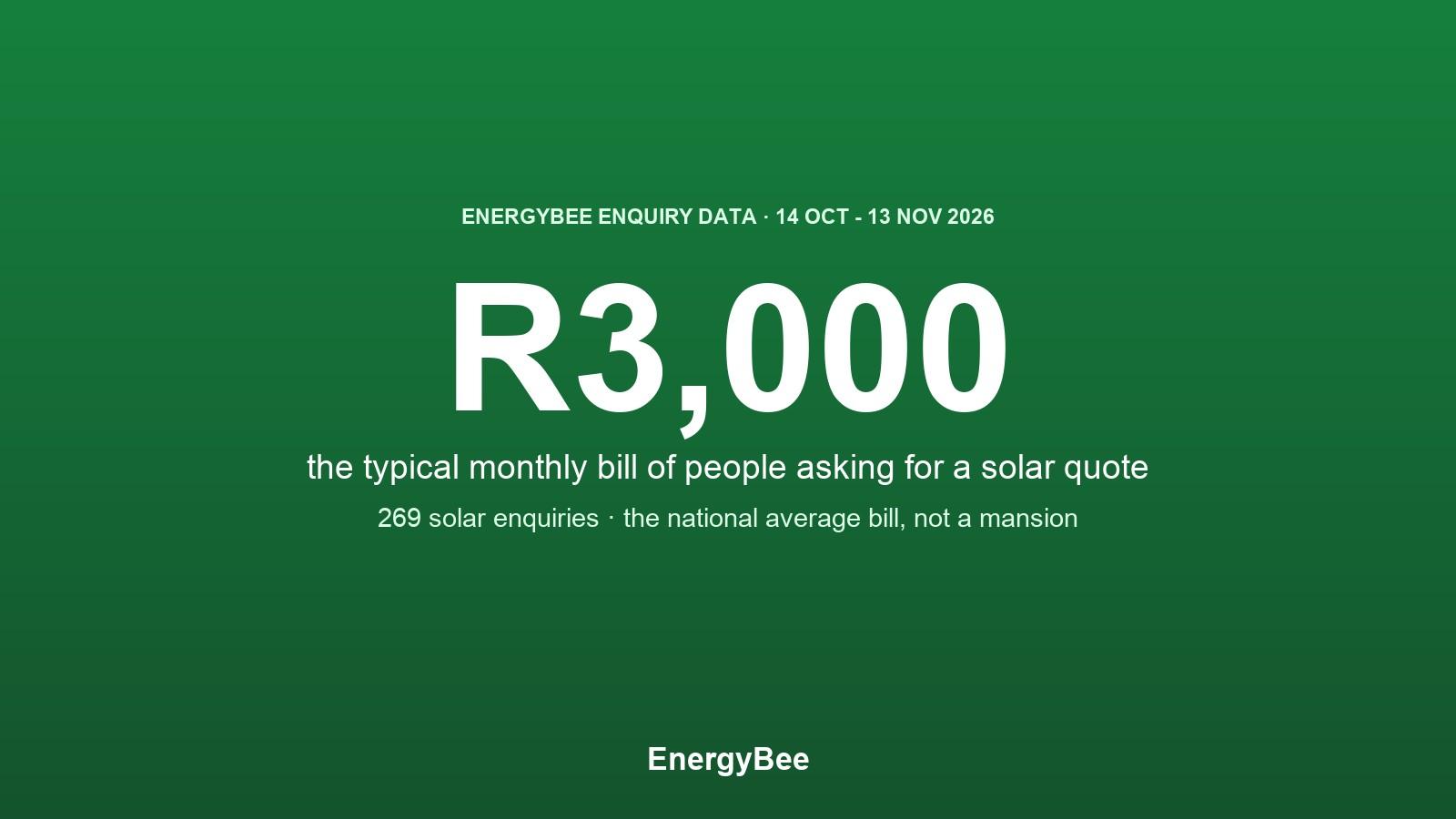
1. What is your average monthly Eskom bill right now? 2. Do you want to cut the bill, keep the essentials on through any outage, or go fully off-grid?
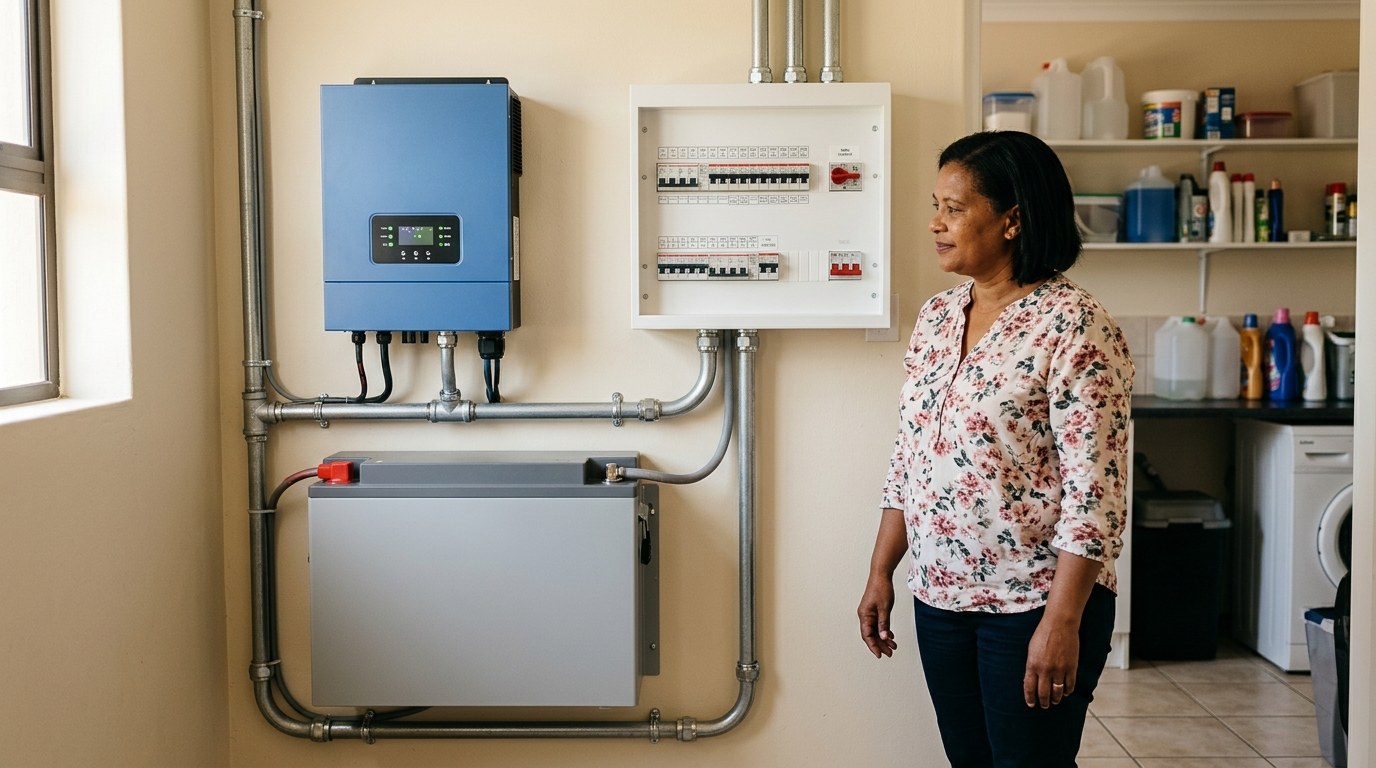
From there we size a system that fits. The entry point, our Family Essential 5kW, is R74,500-R90,500 installed and already includes a 10kWh battery and 12 panels - enough to take most homes down to little more than the Eskom fixed charge. Get a free, no-obligation assessment → and we will show you what Eskom would still charge you after solar - it does not affect your credit record.
Solar does not end your relationship with Eskom - it changes who is in charge of it. You stop buying power and start buying only access, and that is a very different bill to open each month.