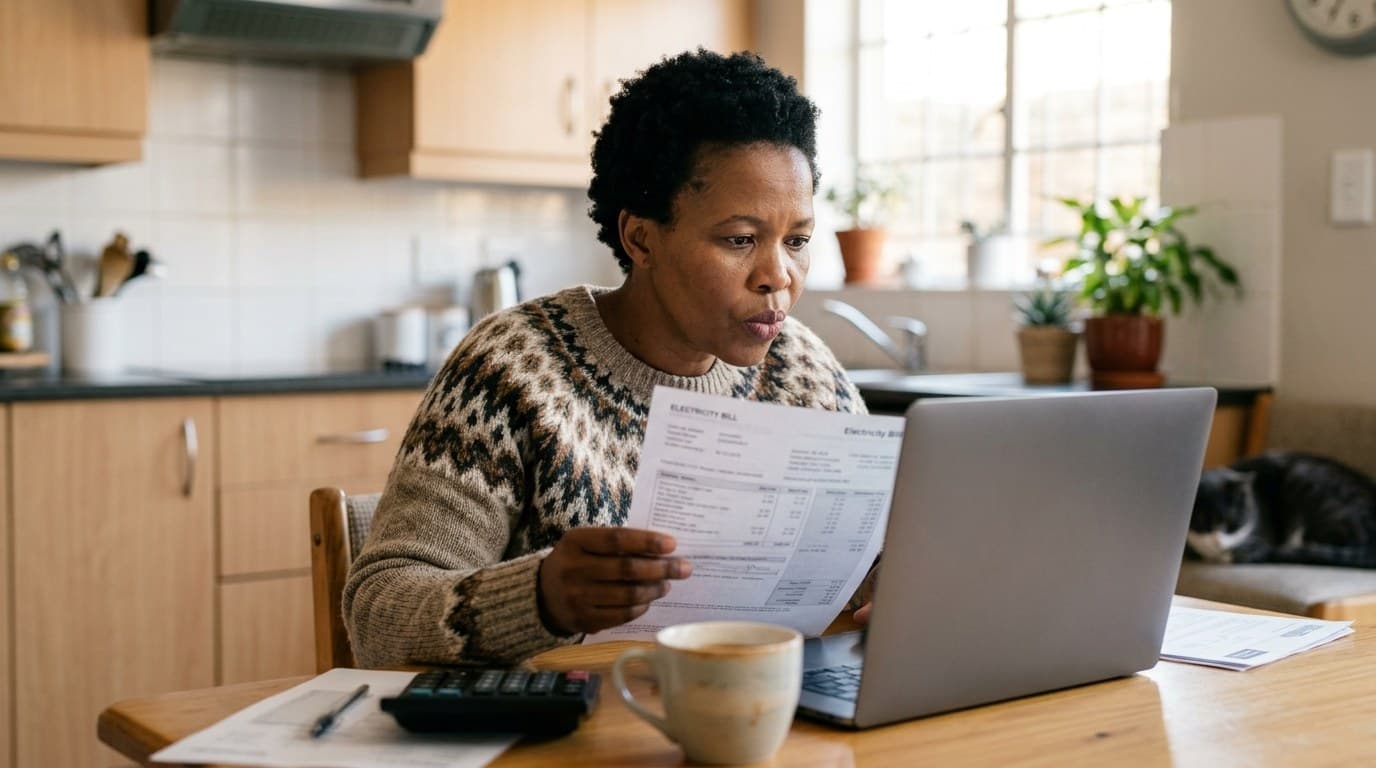
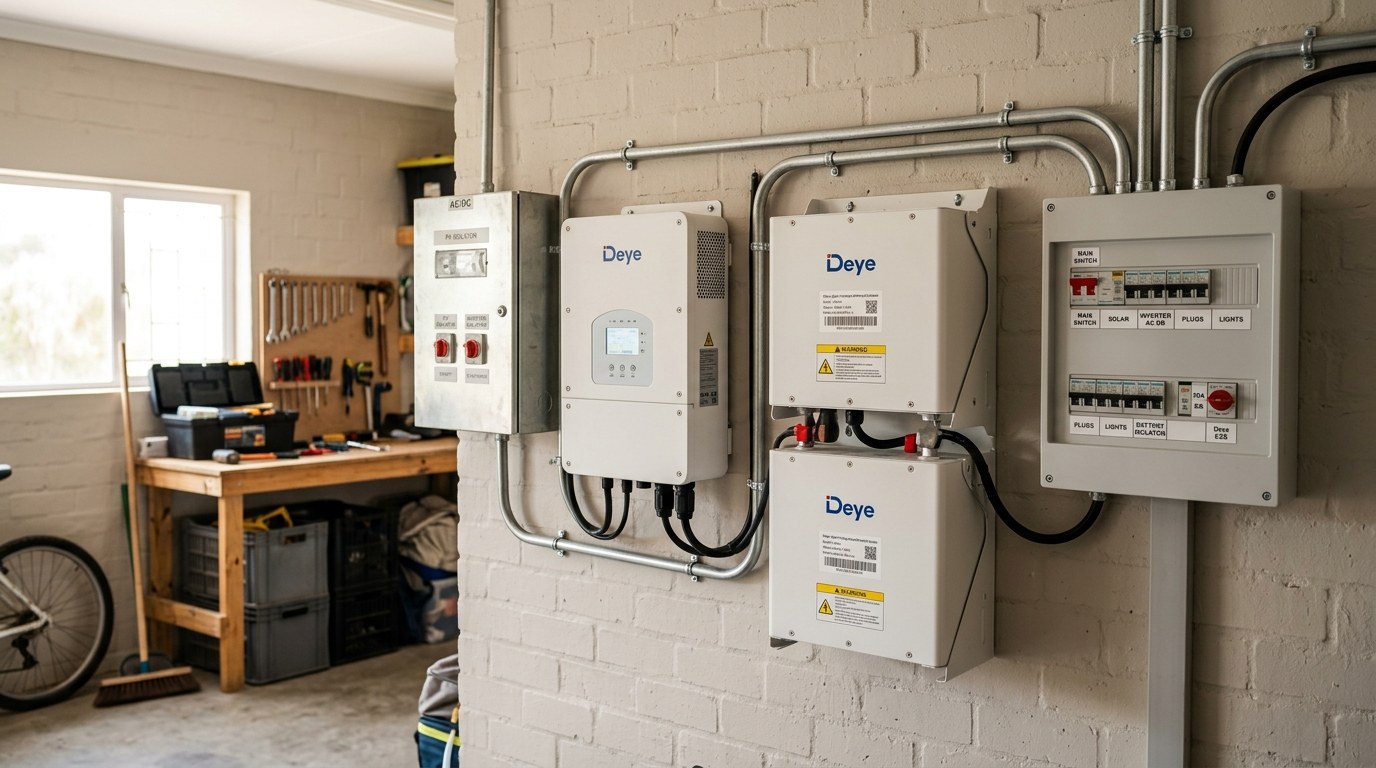
The lights have stayed on for months. No load shedding, no schedule, no candles. And yet when the August bill lands, it is bigger than last year's - again. If that feels like a contradiction, it is not: Eskom and municipal tariffs have gone up regardless of how stable the grid has been, and most households are quietly overpaying on top of that increase without knowing it.
Before you pay this month's bill, run the five checks below. Each one takes a minute, and together they tell you exactly where your money is going - and where you can claw some of it back before the next hike lands.
Quick recap: why a stable grid didn't mean a cheaper bill
Eskom Direct customers absorbed an 8.76% tariff increase from 1 April 2026. Municipal customers - billed through City Power, Cape Town, Tshwane, eThekwini and the rest - are carrying a NERSA guideline increase of roughly 9.01% from 1 July 2026, and several metros were approved higher still. Both increases are now showing up on August statements. We covered the full mechanics - Eskom's debt, the "death spiral," and why fixed charges are eating more of your bill - in why your electricity bill keeps rising with no load shedding →, and the exact current rates in our 2026 metro rate card comparison →. This one is about what to do with your bill in hand, right now.
The 5-minute bill check
1. Confirm which tariff you're actually on. Eskom Direct customers sit on Homepower, Homeflex or Homelight, each priced differently; municipal customers are billed on their city's own structure. Check the tariff name printed on your statement against your municipality's published rate card - homes get moved onto the wrong block more often than you'd expect, and it is never corrected automatically.
2. Separate the fixed charges from the usage charges. Look for a service or capacity charge that is billed every month regardless of consumption. On many bills this now makes up a growing share of the total, which is why cutting your usage no longer cuts your bill by the same proportion it used to. We broke down exactly where every rand goes in
what's really in your electricity bill →.
3. Work out your real cost per unit. Divide the total rand amount by the total kWh used. That blended figure - not the tariff table's headline rate - is what you are actually paying, Compare it with major-metro residential tariffs, which run from
R3.34 to R5.12 per kWh in 2026/27 →.
4. If you're on prepaid, check the block you're buying into. Prepaid customers dodge some fixed charges but still climb an inclining block tariff - the more you buy in a cycle, the higher the rate on the last units. Run the same rand-divided-by-units sum on your last few tokens to see your true landed cost, not the price printed on the voucher.
5. Compare this bill to last month's, unit for unit. A jump in rand terms is expected this year. A jump in kWh terms with the same household habits is not, and is worth querying with your supplier before you pay. Our
guide to checking for billing errors → walks through what a genuine mistake looks like versus a normal tariff increase.