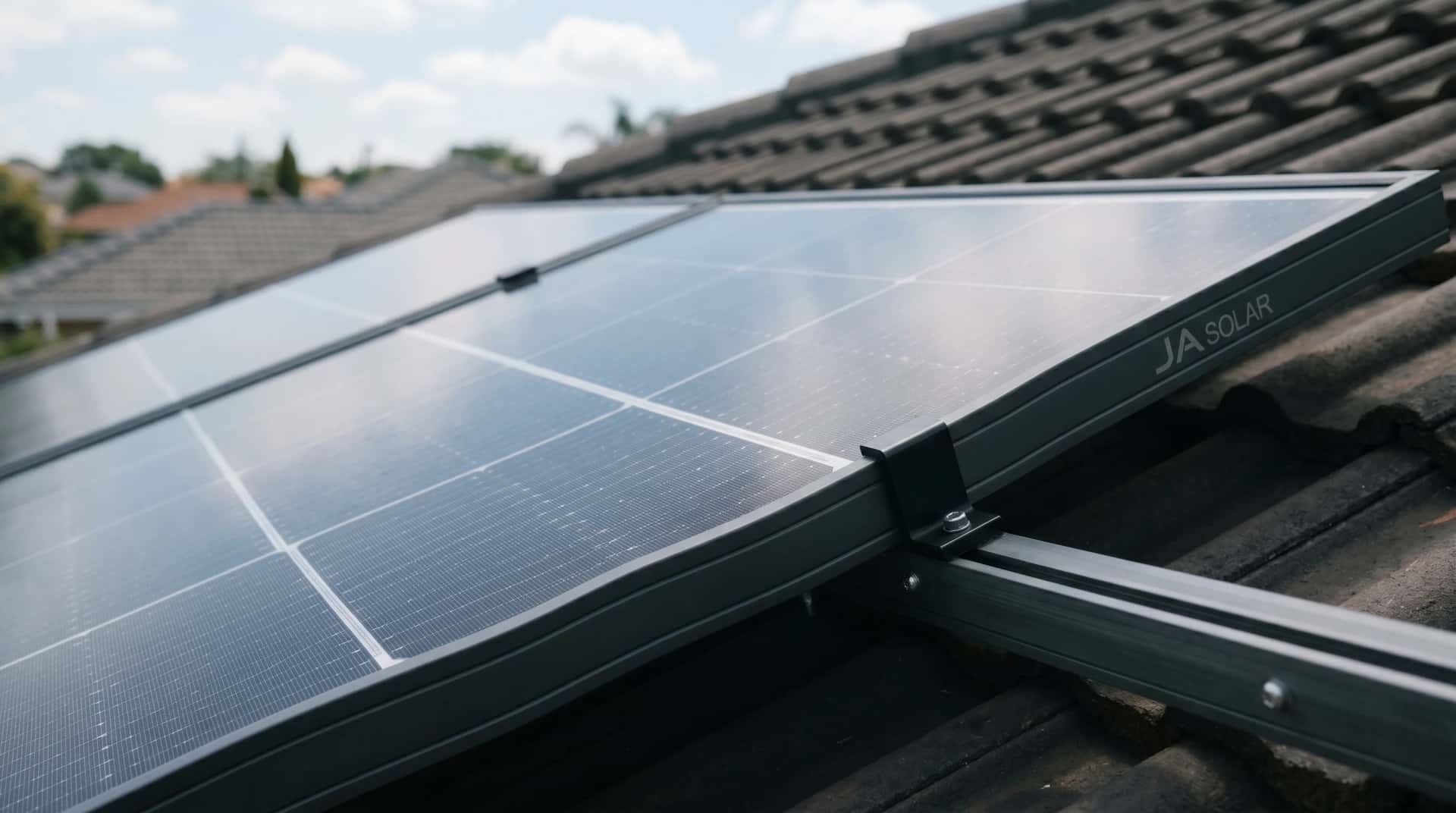
LookSee is Standard Bank's solar finance platform: an Energy Loan of R3,000 to R300,000 (called the Solar Loan until recently) for panels, an inverter, a battery and installation, at a personalised rate capped at prime + 6.5% (about 17.25% at a prime of 10.75%; LookSee page read 23 November 2026), plus a free Solar Score tool. Unlike GoSolr, Wetility or Versofy, this is a loan, not a subscription, so you own the system. This is an honest, unsponsored look at how it works and whether a loan beats a subscription for you.
LookSee at a glance (checked 23 November 2026)
- Solar Loan R3,000-R300,000 for panels, inverter, battery and installation
- Rate capped at prime + 6.5% (about 17.25% at prime of 10.75%); your personal rate may be lower
- Terms from 12 to 72 months, R69 a month service fee, no early-repayment penalty
- You own the system - it is a loan, not a subscription or rent-to-own
- No need to bank with Standard Bank; free Solar Score tool for anyone
Source: looksee.co.za Energy Loan page (looksee.co.za/looksee/home/products-services/financing/energy-loan), read 23 November 2026. Prime rate about 10.75% (repo 7.25%, from 23 September 2026) - confirm the current prime rate and your quoted rate before signing.
The short answer:
- What it is: a solar loan and installer marketplace from Standard Bank, plus a free Solar Score.
- Cost: a personalised rate capped at prime + 6.5%, over 12 to 72 months.
- Own it? Yes - a loan means the system is yours, and the debt ends when it is paid off.
- Best for: buyers who can carry a monthly repayment and want the lowest long-run cost of ownership.
- Before you sign: compare the loan total against a subscription quote on the same system.
How does the LookSee Solar Loan work?
The LookSee Solar Loan is an unsecured loan from Standard Bank, arranged through the LookSee platform, that pays for a complete solar installation - panels, inverter, battery and the installation itself - from R3,000 up to R300,000. Terms run from 12 to 72 months, and there is no penalty for settling early.
The rate is personalised to your credit profile and, LookSee says, is capped at prime plus 6.5%. With the prime rate at about 10.75%, that caps the rate at roughly 17.25%, and a strong credit profile can land below it. You do not need to bank with Standard Bank to qualify. Because it is a loan, you own the system outright, and LookSee vets the installers and offers a concierge team plus remote monitoring on completed systems. A newer Solar Home Loan (launched November 2025) lets home buyers add a system to their bond from day one.
What is the LookSee Solar Score?
The Solar Score is a free tool that estimates how well your specific home suits solar, before you spend a cent. You enter your address and LookSee analyses the roof - its direction, slope and sunlight - and returns a score out of 100 along with your usable roof area, expected generation and an estimated monthly bill saving.
It currently covers freestanding homes in most South African cities, with sectional-title coverage being added, and it is free whether or not you bank with Standard Bank. Treat the savings estimate as a starting point rather than a quote - it is a desktop model, so the real numbers still come from an installer surveying your roof and your actual usage.
How much does LookSee cost?
LookSee itself does not price the hardware - the system cost comes from the installer, and LookSee finances it. What LookSee sets is the loan. As at 23 November 2026:
| Feature | LookSee Solar Loan |
|---|---|
| Loan amount | R3,000 to R300,000 |
| Interest rate | Personalised, capped at prime + 6.5% (about 17.25% at prime of 10.75%) |
| Term | 12 to 72 months |
| Fees | R69 a month service fee; once-off initiation fee of up to R1,207.50 (incl. VAT), depending on loan amount |
| Early settlement | No penalty |
| Standard Bank account | Not required |
| Ownership | You own the system from installation |
Source: looksee.co.za Energy Loan page and Standard Bank's own Energy Loan page, both read 23 November 2026 and in agreement: up to prime + 6.5%, R3,000-R300,000, 12-72 months, R69/month service fee, initiation up to R1,207.50 (incl. VAT), no early-settlement penalty, and a quote or invoice no older than 30 days (see the dated bank table in our solar finance guide). Prime rate about 10.75% (verified in our finance guide). Your actual rate, limit and monthly repayment depend on a credit assessment and the system price your installer quotes - confirm all of these in writing.
Is LookSee worth it? Loan vs subscription
LookSee is worth it if you can carry a monthly repayment and want the lowest long-run cost of owning your solar. A loan and a subscription solve the same "no big cash upfront" problem in opposite ways:
A loan (LookSee) makes sense if…
- You want to own the system and the lowest 10-year cost
- You qualify for a fair rate and can carry the repayment
- You want the debt to end, not a fee that runs forever
A subscription makes sense if…
- You don't want debt on your credit record at all
- You want the provider to own maintenance and insurance
- You may move within a few years and prefer flexibility
The maths usually favours the loan over a full horizon: you stop paying once it is settled, whereas a subscription keeps charging and typically escalates each year. The subscription's edge is that it carries no debt and hands the maintenance and insurance risk to the provider. There is no universal winner - it depends on your rate, your system price and how long you will stay. Our solar subscription vs buy comparison and solar loan guide walk through both, and the guide's bank-by-bank solar finance table puts the Energy Loan next to what Nedbank, FNB, Absa and Discovery Bank publish, each cell dated.
LookSee vs GoSolr, Wetility and Versofy
LookSee is not in the same category as the subscription providers, and that is the point: it is the ownership route the subscriptions are an alternative to. Here is how they compare:
| Option | Type | Own it? | Monthly cost ends? |
|---|---|---|---|
| LookSee | Energy Loan (prime + up to 6.5%) | Yes, from install | Yes, when the loan is settled |
| GoSolr | Month-to-month subscription | Buy out after 3 years at the contract price | No, runs while you subscribe |
| Wetility | Pay-at-PACE subscription | Confirm in writing | No, runs while you subscribe |
| Versofy | Subscription or 60-month rent-to-own | Yes, after rent-to-own term | Ends on rent-to-own, not subscription |
Sources: looksee.co.za, gosolr.co.za, wetility.energy and versofy.energy, retrieved 9 October 2026. A loan and a subscription are not like-for-like - compare the all-in total of each on the same system, not the monthly figure alone.
If owning the system at the lowest long-run cost matters most, a loan like LookSee is usually the stronger route - provided you qualify for a fair rate. If avoiding debt and handing over maintenance matters more, a subscription wins. Read our GoSolr, Wetility and Versofy reviews to see the subscription side.
Compare solar quotes before you finance
Get multiple solar quotes side by side - buy, finance or subscribe - and decide on the numbers. Free, no obligation.
What to check before you take a LookSee loan
A loan is a credit agreement, so read it as one. Before you sign, confirm:
- Your actual rate, not the cap. The cap is prime + 6.5%; ask for your personalised rate and the total cost of credit over the term.
- The current prime rate. Prime was about 10.75% in November 2026 and moves with the repo rate - confirm the figure your repayment is based on.
- The installer and the system spec. LookSee finances the install, but the hardware and workmanship are the installer's - get the Certificate of Compliance and the equipment list.
- What the Savings Guarantee actually covers, if it is offered - get the terms in writing, not just the headline.
- Your affordability. It is debt on your credit record; make sure the repayment fits your budget alongside your other commitments.
See also: GoSolr review · Solar loan guide · Bank-by-bank solar finance compared · Solar subscription vs buy · Zero-upfront solar guide